Recipes: Cha (Tea-like Beverages)
Article by Gil "hannaone"
© Copyright 2026. All rights reserved.
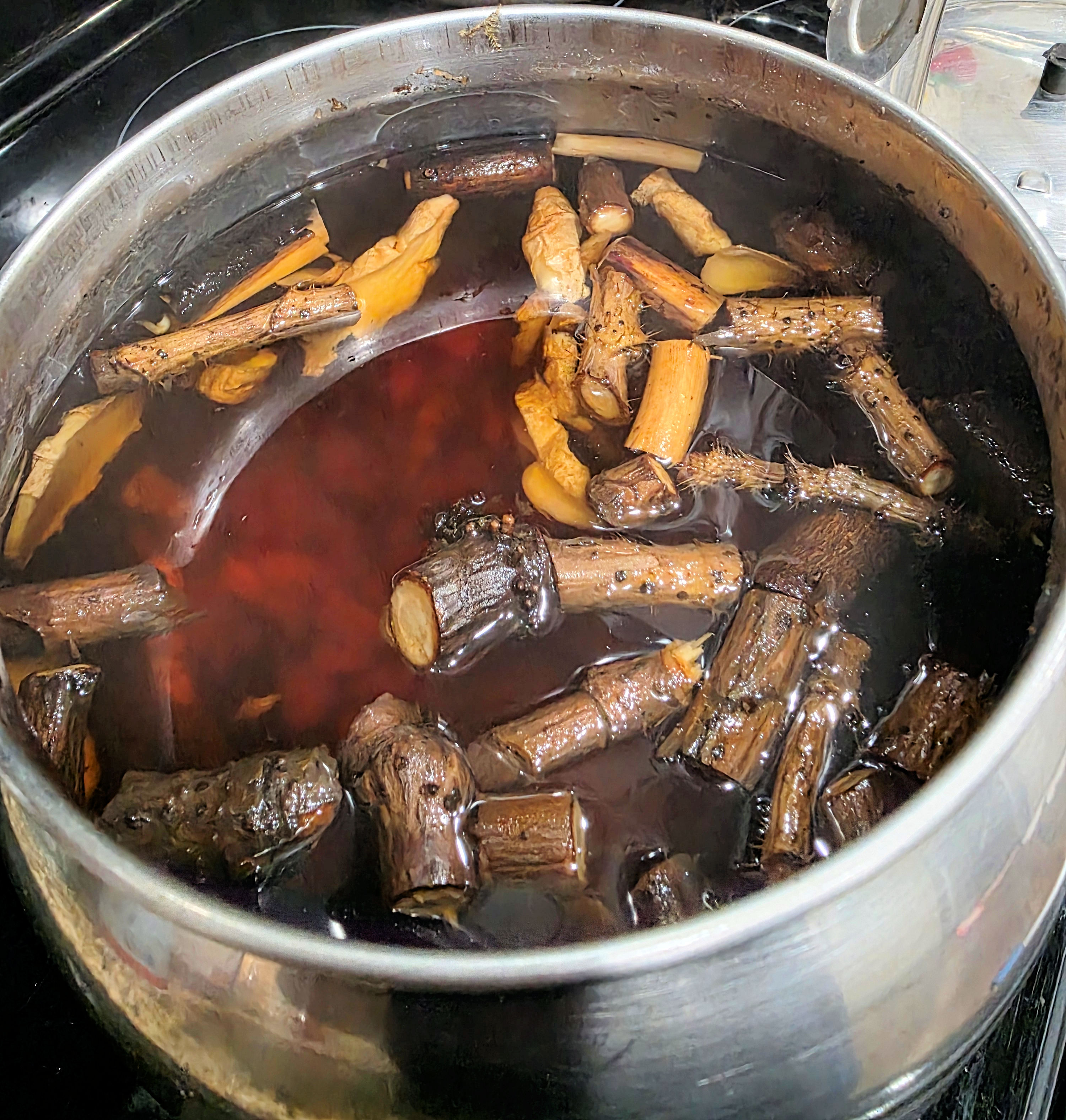
Image by hannaone: Ppongnamu-cha
뽕나무차 | ppongnamu-cha
🍵🌿🌳Ppongnamu Cha, also known as Mulberry Tree Tea, is a delightful Korean beverage made from the bark, twigs, and leaves of the mulberry tree (Morus species).
Ingredients
1 ounce Dried Toasted Mulberry
36 ounces Water
Directions
Toast the mulberry pieces for a few minutes in a hot pan.
Place in a pot with water and simmer for about fifteen minutes.
If you have access to Mulberry trees you can harvest your own mulberry. When thinning branches for optimal growth, save the cuttings and the leaves, then dry as below.
Oven Dry
Pre-heat oven to 150F
Spread the mulberry pieces evenly on a flat sheet pan.
Dry the corn for about 2 hours, then reduce heat to 130F and dry for another 4 to 5 hours.
De-Hydrator
Follow manufacturer's instructions.
Oven Roast
Pre-heat oven to 300F.
Spread dried pieces on a flat sheet pan.
Roast until mulberry is lightly browned are browned.
Pan Toast
Spread dried pieces in a skillet over medium heat.
Cook until mulberry pieces are browned, shaking or stirring occasionally.
You can store the dried and toasted mulberry in an air tight container for several months in a cool dry space.
Warning:
Consult your doctor or a licensed herbalist before consuming any herbal remedy.
Story Time
🍵🌿🌳 Possible Health‑Related Aspects of Mulberry Tea
Mulberry trees—Morus alba, Morus rubra, and Morus nigra—have long been valued in East Asian and global herbal traditions. Their leaves, bark, and berries contain a variety of plant compounds, including polyphenol antioxidants, and naturally provide nutrients such as vitamin C, zinc, calcium, iron, potassium, phosphorus, and magnesium. Mulberry leaf tea draws on this broader botanical profile.
🌡️ Blood Sugar Support
Mulberry leaves have been traditionally used in herbal practices for their potential to help moderate blood sugar levels. Research continues to explore how certain compounds in the leaves may influence carbohydrate metabolism.
❤️ Heart‑Related Aspects
Some studies suggest that mulberry leaves may play a role in supporting heart health, including possible effects on cholesterol and blood pressure. These findings are preliminary and vary widely depending on preparation and individual health factors.
🛡️ Immune & Cognitive Support
The nutrients and antioxidants found in mulberry leaves, berries, and bark have been associated with general immune support. Traditional herbal texts also note mulberry’s use in promoting overall vitality, including cognitive well‑being, though scientific evidence remains limited.
👁️ Vision Protection
Mulberry contains plant compounds that have been studied for their potential to support eye health and protect against age‑related changes. These effects are not fully established and should be viewed as part of ongoing research rather than confirmed benefits.
⚠️ Important Note
Herbal teas can interact with medications or underlying health conditions. It’s important to speak with a healthcare professional or licensed herbalist before consuming mulberry tea for health purposes, especially if you take medications for blood sugar management.
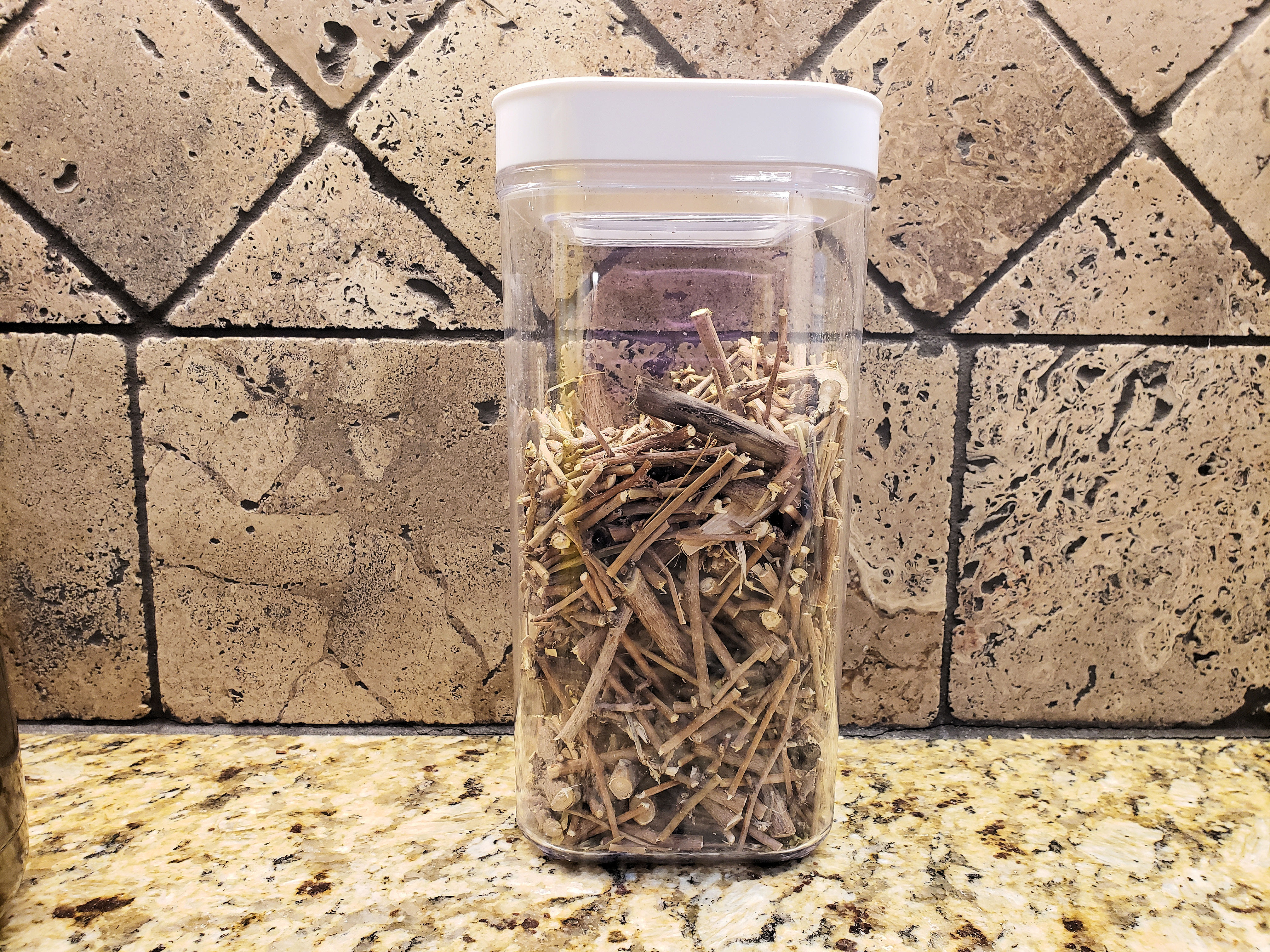
Image by hannaone: Dried Mulberry trimmings
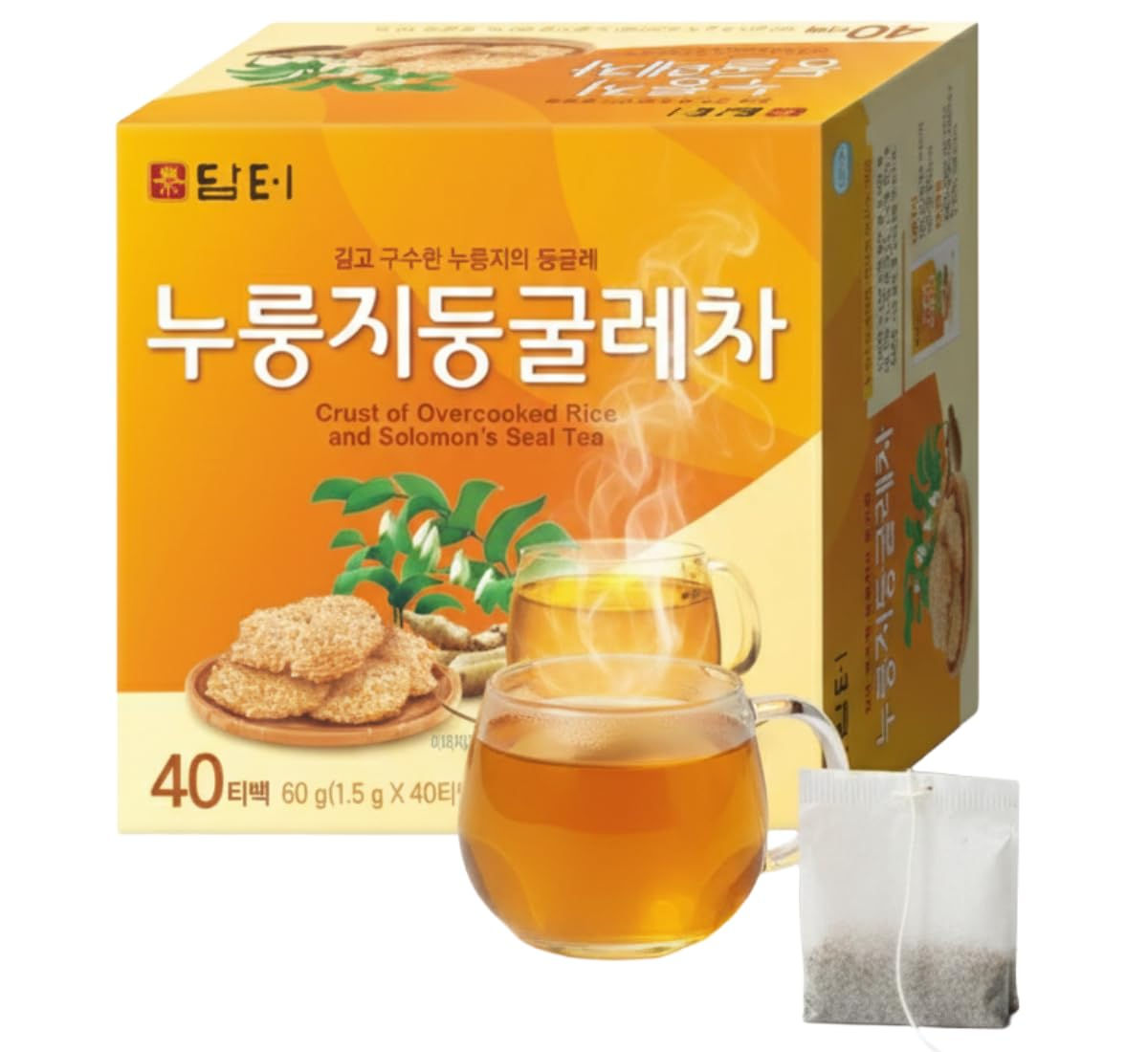
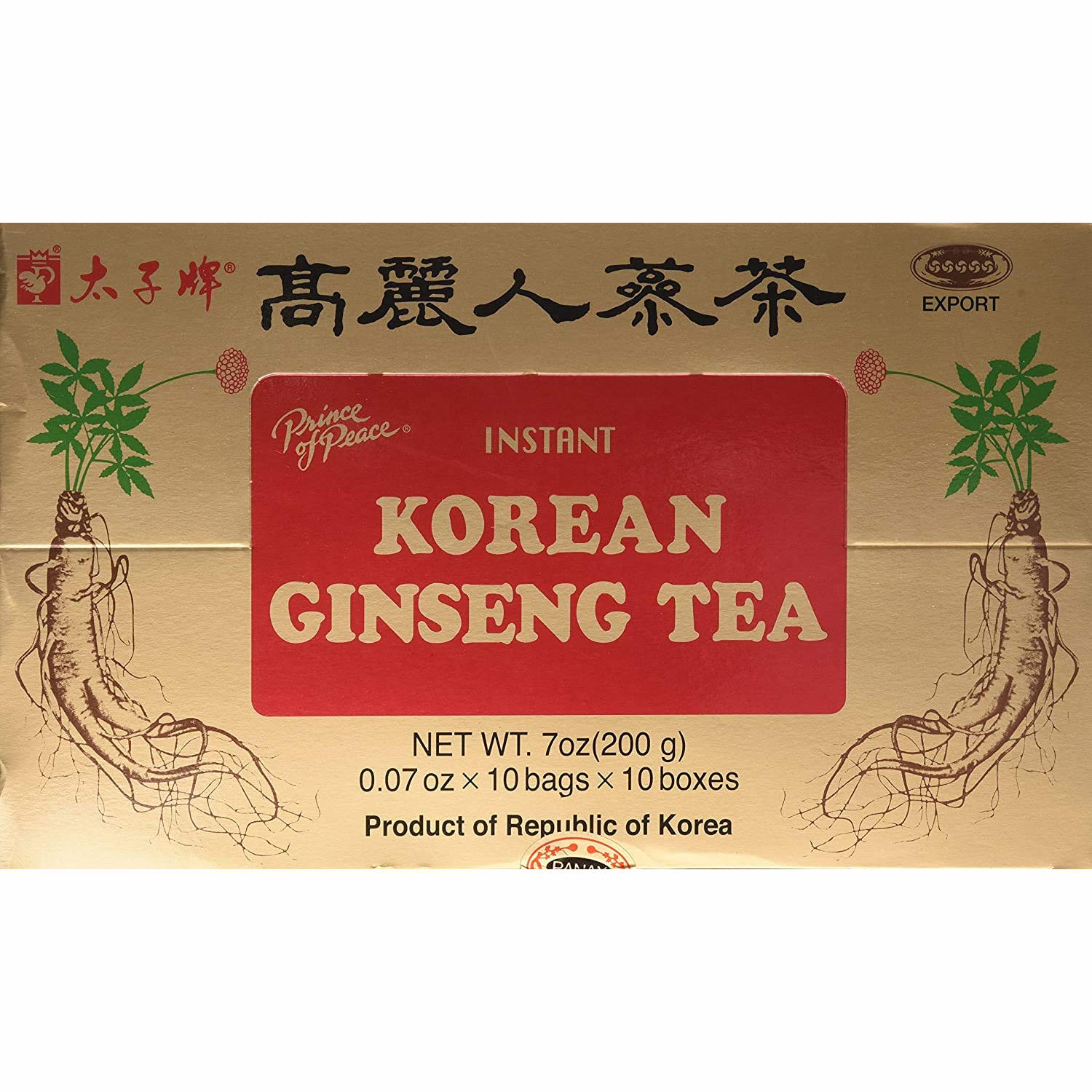
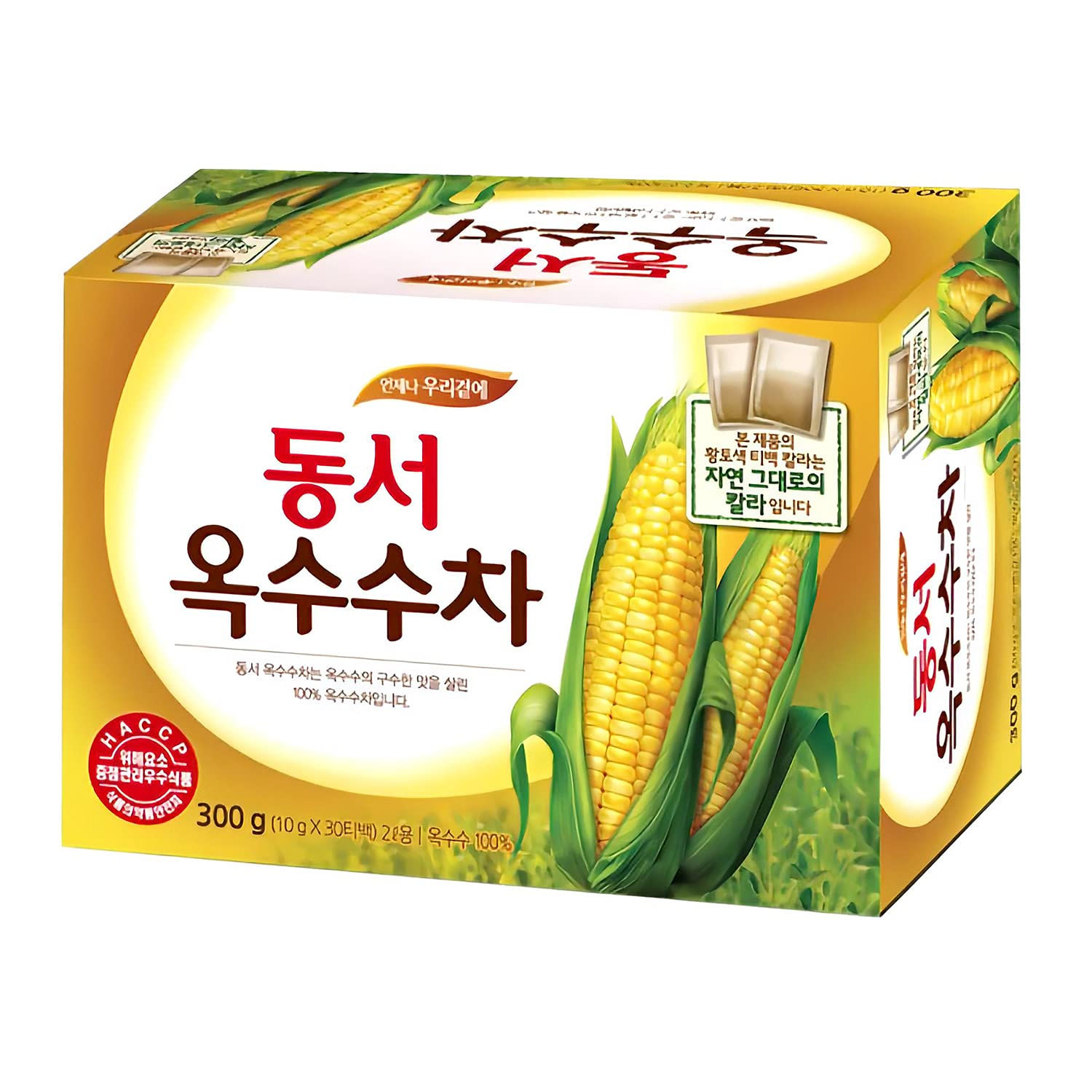
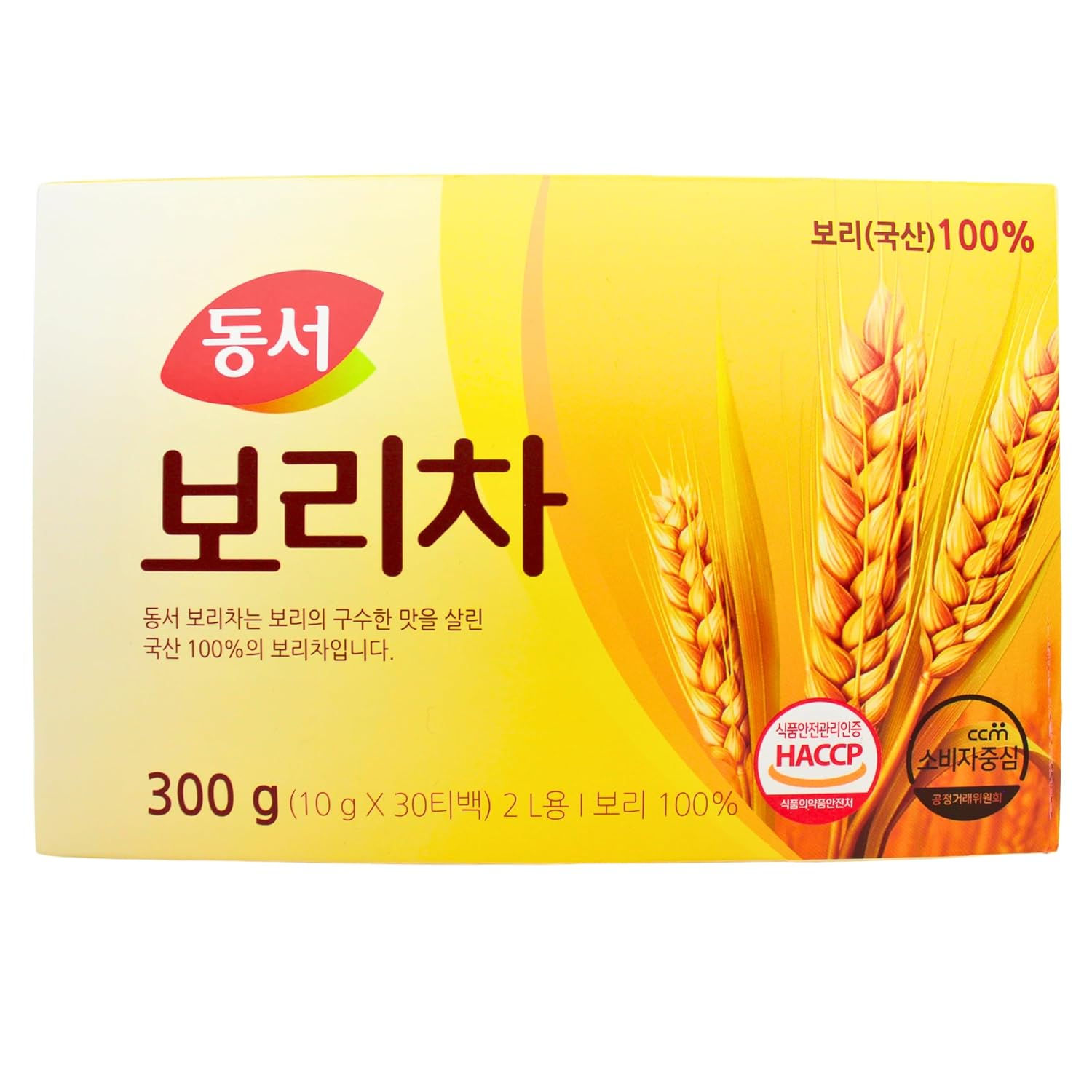
Available on Amazon
Ingredients and Kitchen Ware
Purchases made through these links may earn a commission which helps to support this web site.
For Korean Vegetable pancakes
Not Available in Canada
Comment?