Book of Ingredients
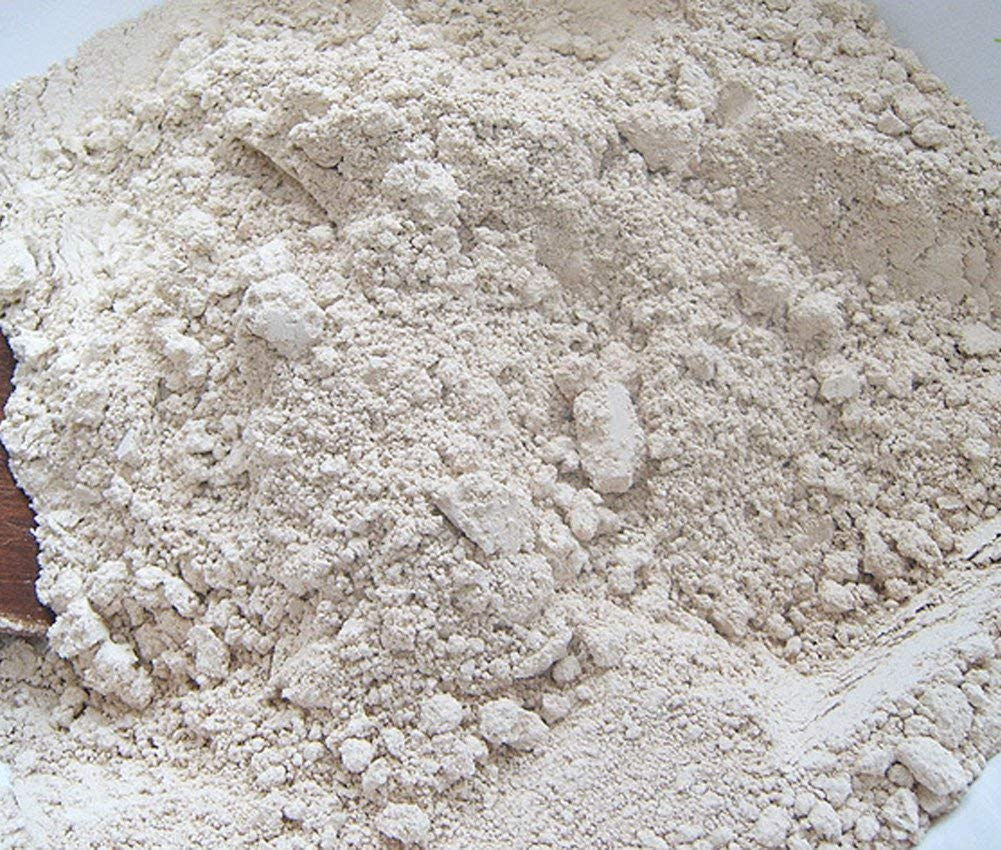
Product Image from ROM America: Dotori-garu
Dotori-garu Acorn Starch
Article by Gil "hannaone" © Copyright 2007-2026. All rights reserved.
도토리가 | Dotori-garu
Dotori-garu | Acorn Starch
Korean Spelling: 도토리가루
English Name: Acorn Starch
General Information:
Dotori-garu is a uniquely Korean ingredient derived from acorns and used in several traditional foods. Acorns are rich in starch, and to produce dotori-garu, crushed acorns are washed repeatedly with water, which extracts the starch. The resulting starch is then collected and dried. This process removes harmful tannins, which can be toxic in large quantities, making homemade acorn starch preparation challenging.
Dotori-garu is most commonly used to make dotori-muk, a translucent jelly that has a firm but bouncy texture. It has a subtle nutty flavor and is often served chilled with seasonings, sauces, or vegetables.
Shopping and Selecting:
Dotori-garu is not widely available outside of Korean markets and specialty Asian grocery stores. In the U.S., it can be found in select online retailers such as H-Mart and Amazon. When purchasing, look for packaging that is well-sealed and free of leaks, and check expiration dates for freshness.
Storage:
- Store dotori-garu in a cool, dry place like a pantry.
- For long-term storage, keep it in an airtight container to prevent moisture absorption.
- Freezing is an option for prolonged shelf life, but it should be used quickly after thawing to maintain texture.
Common Preparation:
Dotori-garu is often mixed with water and other starches or flours to enhance consistency and elasticity. It is heated and stirred until it thickens into a gel-like texture, which is then cooled and cut into bite-sized pieces. It can also be used in noodles, where it provides a slightly chewy texture.
Used In:
- Dotori-muk (Acorn Jelly)
- Dotori-guksu (Acorn Noodles)
Popular Dishes:
- Dotori-muk – A firm jelly made from dotori-garu, usually served with soy sauce, sesame oil, and vegetables.
- Dotori-guksu – Acorn noodles served in a soup or as a mixed noodle dish.
- Dotori-bibim-guksu – A spicy, mixed acorn noodle dish with vegetables and red pepper paste.
Substitutes:
If dotori-garu is unavailable, substitutes include:
- Potato starch – For a similar gelatinous texture in jellies.
- Sweet potato starch – For a slightly firmer and chewier alternative.
- Cornstarch – If used carefully, it can mimic some of dotori-garu’s thickening properties but lacks the unique flavor.
| |||||||||||||||||||||||||||||||||||||||||||||||
Dotori‑garu Acorn Powder
Dotori‑garu, or acorn powder, traces its roots to Korea’s Neolithic era, when acorns were a vital food source. Archaeological sites like Amsa‑dong and Bibong‑ri reveal grinding tools used to process acorns, highlighting their role as a prehistoric staple.
During the Joseon Dynasty, acorns became a crucial subsistence food in mountainous regions where rice was scarce. Their reputation shifted dramatically after King Seonjo reportedly embraced dotorimuk (acorn jelly) during the 16th‑century Japanese invasions, elevating the humble ingredient to royal status and symbolic solidarity with the common people.
Traditional preparation involves grinding acorns, soaking the powder to remove bitter tannins, and boiling the starch into jelly. The result—dotorimuk—is served with soy sauce, in salads, or as part of mooksabal (cold soup). Other forms include dotoritteok (acorn cake) and dotori kalguksu (acorn noodles).
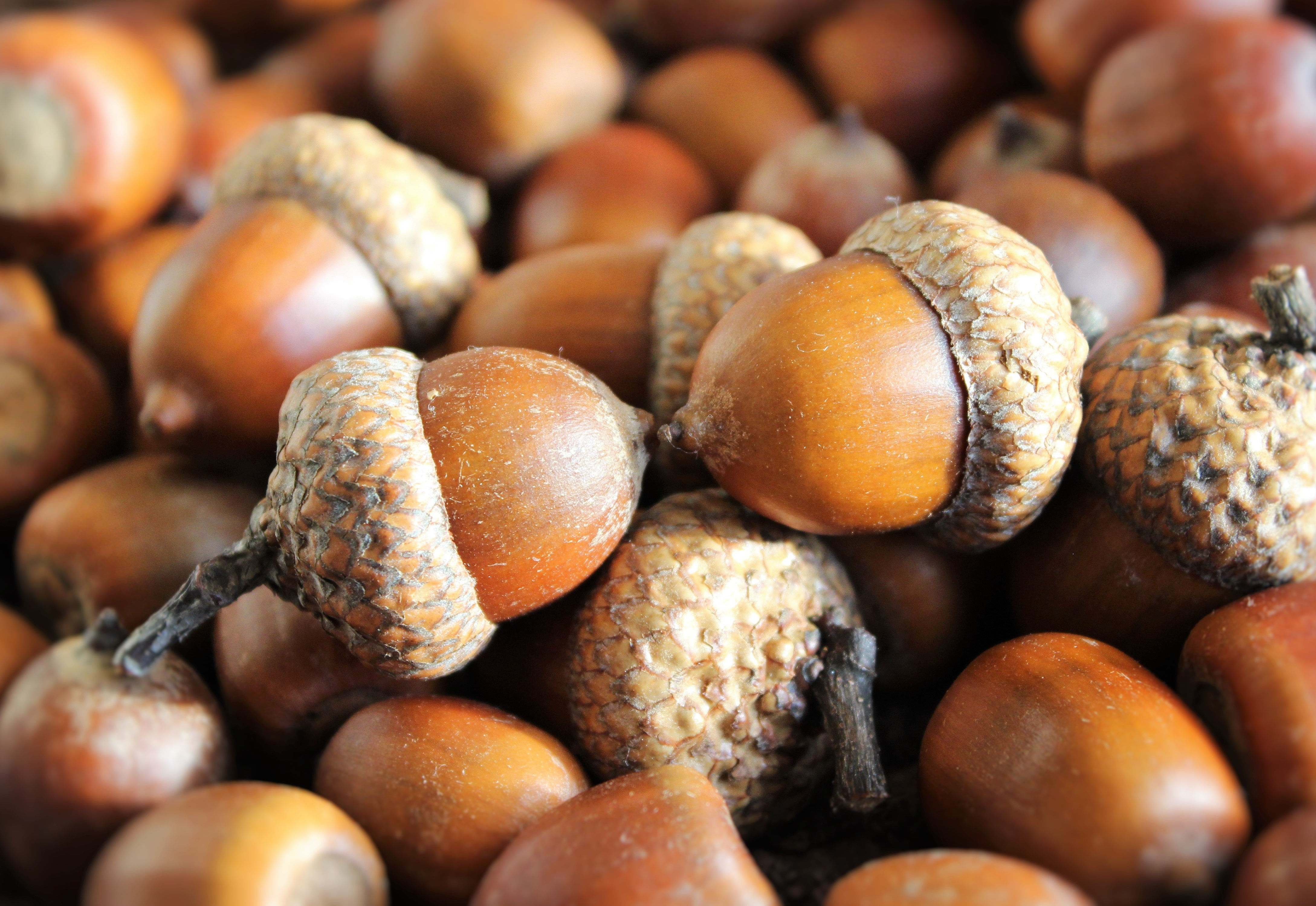
Image from Pixabay
Today, dotori‑garu is prized for its earthy flavor and health benefits. Though no longer a survival food, it remains a cherished ingredient in regional dishes. Due to high demand and limited local harvests, much of Korea’s acorn supply is now imported.
Find it on Amazon! Purchases made through these links help support this site. As an Amazon Associate, we earn from qualifying purchases.