Book of Ingredients
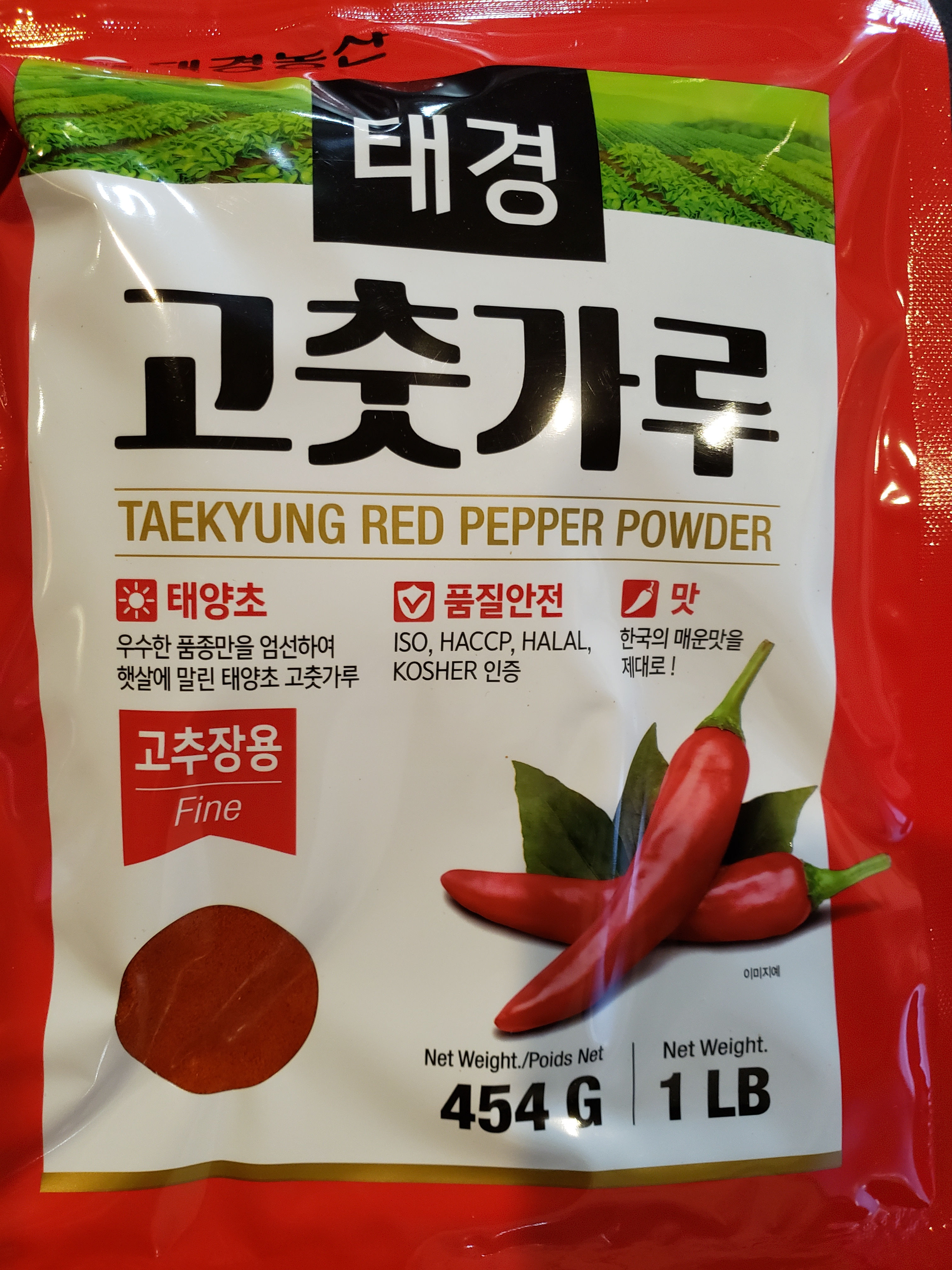
Image by hannaone: Gochugaru Fine Ground
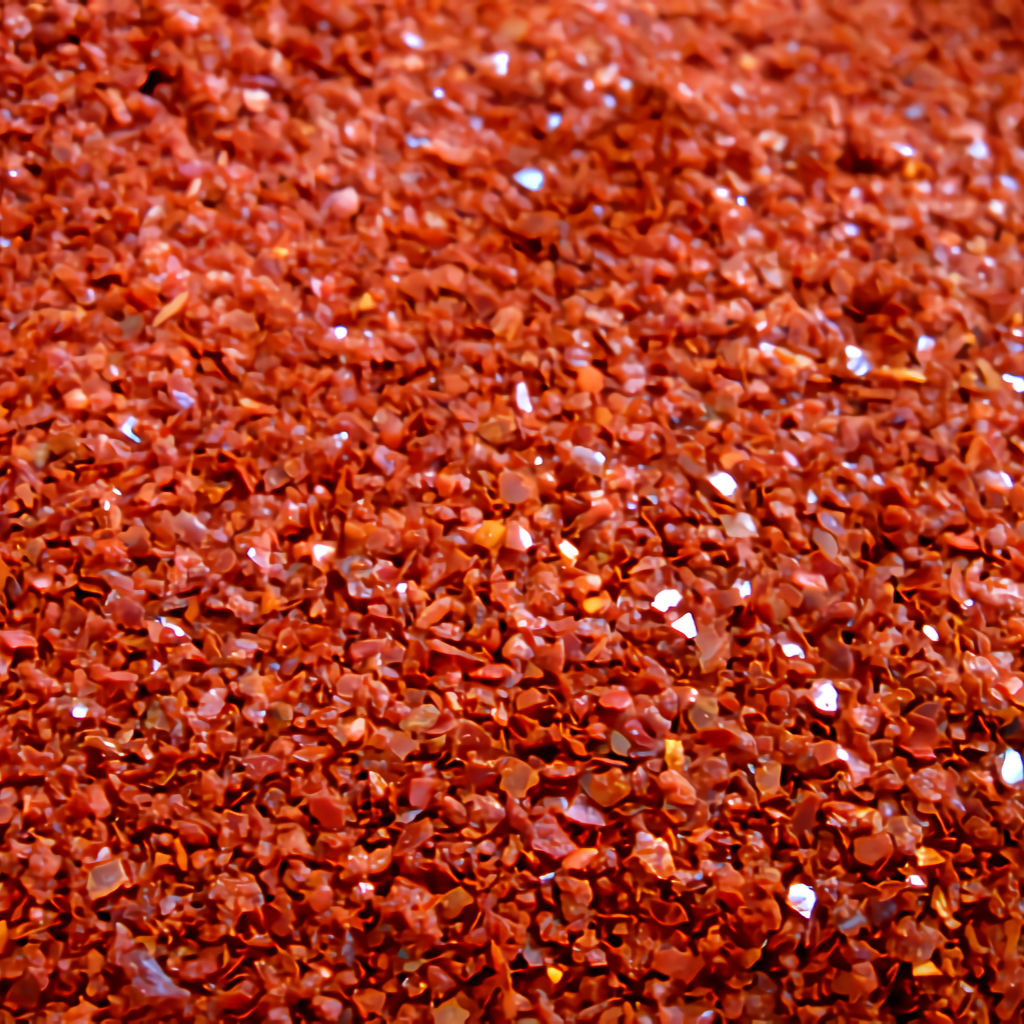
Image by hannaone: Coarse Gochugaru
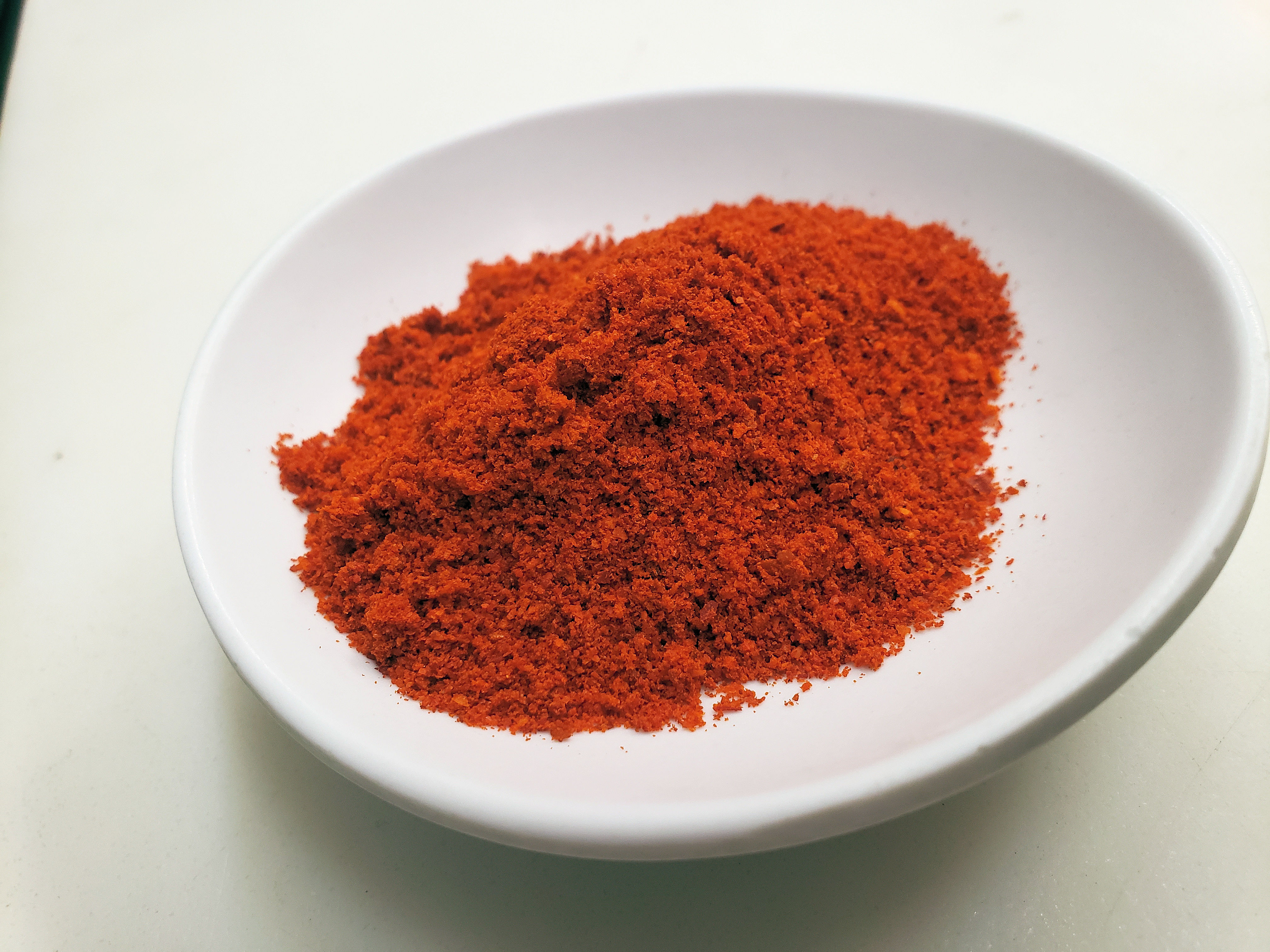
Image by hannaone: Fine Ground
Gochugaru Chili Pepper Powder
Article by Gil "hannaone" © Copyright 2007-2026. All rights reserved.
고춧가루 | Gochugaru
Ingredient Name: Gochugaru
Korean Spelling: 고춧가루
English Name: Korean Hot Chili Pepper
Category: Fruit (botanical) · Spice / Seasoning (culinary)
️General Information
Gochugaru is the essential red chili powder of Korean cuisine, made from dried Korean red chili peppers—traditionally taeyang-cho (태양초, “sun-dried peppers”) or, in some modern blends, the spicier Cheongyang variety. It is known for its vibrant red color, moderate heat, and fruity, slightly smoky aroma.
Grind Types
Gochugaru is sold in several textures, each suited to different culinary uses:
• Coarse (굵은 고추가루)
The most common grind. Used for kimchi, soups, stews, and general seasoning.
• Medium (중간 고추가루)
Versatile; used in sauces, marinades, and some kimchi styles.
• Fine (고운 고추가루)
Powdery and smooth. Used in gochujang, dipping sauces, and dishes requiring a uniform red color.
The grind affects not only texture but also how the chili flavor disperses in a dish.
🛒 Shopping & Selection
Gochugaru is widely available in:
• Korean grocery stores
• East and Southeast Asian markets
• Many mainstream supermarkets
• Online retailers specializing in Korean or Asian ingredients
What to Look For
• Color: Uniform bright red to deep red.
• Aroma: Fresh, fruity, slightly smoky.
• Texture: Even grind with no clumping.
• Packaging: Intact, airtight, and opaque or UV-protected.
• Freshness: Check the manufacture date—Korean brands often print this clearly.
What to Avoid
• Pale or brownish chili powder
• White streaks or discoloration
• Visible moisture or mold
• Bags with excessive air or damaged seals
High-quality gochugaru should smell lively and taste warm, not harsh or bitter.
🧊 Storage
Proper storage preserves color, aroma, and heat.
Pantry
• Keep in a cool, dark place.
• Best within the printed date, but quality remains acceptable beyond it.
• Expect gradual fading of heat and aroma over time.
Freezer
• Store in a freezer-safe, airtight container or vacuum-sealed bag.
• Maintains peak quality for up to 12 months.
• Freezing slows oxidation and preserves color exceptionally well.
🔪 Common Preparation
Gochugaru requires no special preparation before use.
It is added directly to dishes, marinades, or sauces. Some recipes bloom it briefly in oil or broth to enhance aroma.
🍲 Culinary Uses
Gochugaru is one of the defining flavors of Korean cuisine. It appears in:
• Kimchi (especially fresh kimchi, summer kimchi, and baechu kimchi)
• Marinades for grilled meats (bulgogi, galbi, dak-gui)
• Soups and stews (jjigae, guk, tang)
• Banchan such as cucumber salad, seasoned spinach, or stir-fried vegetables
• Fermented pastes and sauces including gochujang, ssamjang, and yangnyeom sauces
🔄 Substitutes
While nothing perfectly replicates the flavor of Korean gochugaru, some alternatives can work in a pinch:
Acceptable Substitutes
• Mexican dried chilies (e.g., guajillo, ancho) ground at home
• These offer a similar fruity warmth but differ in aroma and heat.
• Pure ground red pepper flakes without added spices
Avoid
• American-style “chili powder” blends
These contain cumin, garlic, oregano, and salt—completely different flavor profile.
When substituting, start with a smaller amount and adjust to taste.
📜 Historical & Cultural Notes
Chili peppers arrived in Korea in the late 16th century, likely via Portuguese trade routes. By the 17th century, they were widely cultivated and integrated into regional cooking. The development of sun-drying techniques (taeyang-cho) produced chilies with a deeper, cleaner flavor, ideal for fermentation and long-term storage.
Gochugaru became essential to kimchi production during the Joseon Dynasty, contributing not only heat but also color, preservation qualities, and microbial balance. Its role in Korean cuisine is so central that regional variations in kimchi often reflect differences in local chili cultivation and drying methods.
🏷️ Other Names
• Korean red pepper powder
• Korean chili flakes
• Taeyang-cho gochugaru (sun-dried chili powder)
• Cheongyang gochugaru (spicy variety)
📝 Miscellaneous Information
• Heat Level: Typically mild to moderate, though Cheongyang-based gochugaru is significantly hotter.
• Coloring Agent: Provides the signature red hue in many Korean dishes.
• Regional Variations: Some provinces prefer sweeter, fruitier chilies; others favor spicier blends.
• Processing: Seeds are often removed before grinding to reduce bitterness and control heat
| |||||||||||||||||||||||||||||||||||||||||||||||||||||||||||
Cheongyang Gochu
Unlike many global chili powders, gochugaru contains no added salt, garlic, or spices. Its clean, bright flavor is foundational to the color and taste of countless Korean dishes, from kimchi to stews to marinades.
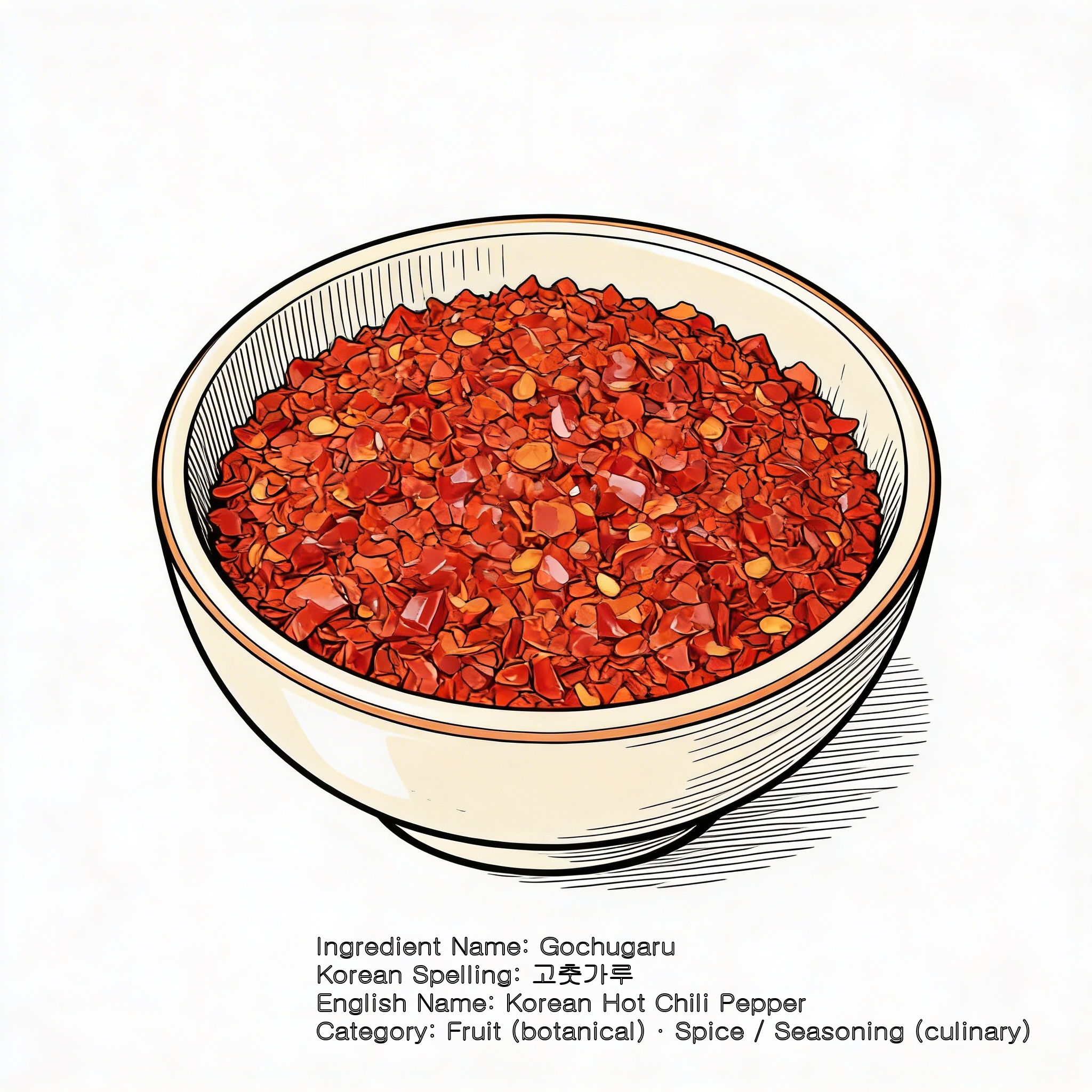
Image: Gochugaru Ingredient Card
Today, gochugaru is a symbol of Korean culinary identity—bright, bold, and deeply tied to seasonal food traditions.
Check out Wooltari for Korean food and gifts!
Find it on Amazon! Purchases made through these links help support this site. As an Amazon Associate, we earn from qualifying purchases.