Book of Sweets and Treats
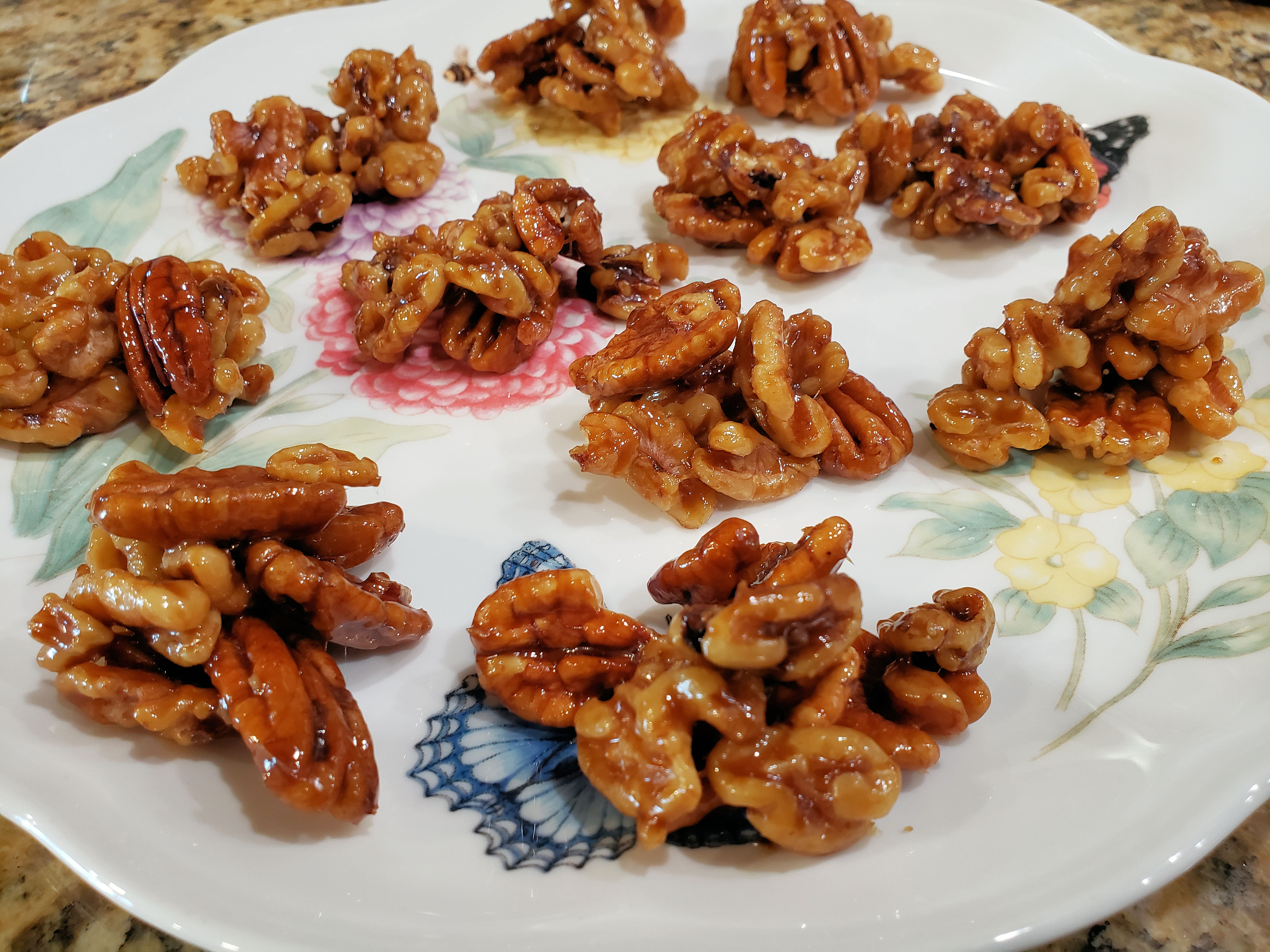
Image by hannaone: Soy candied nuts
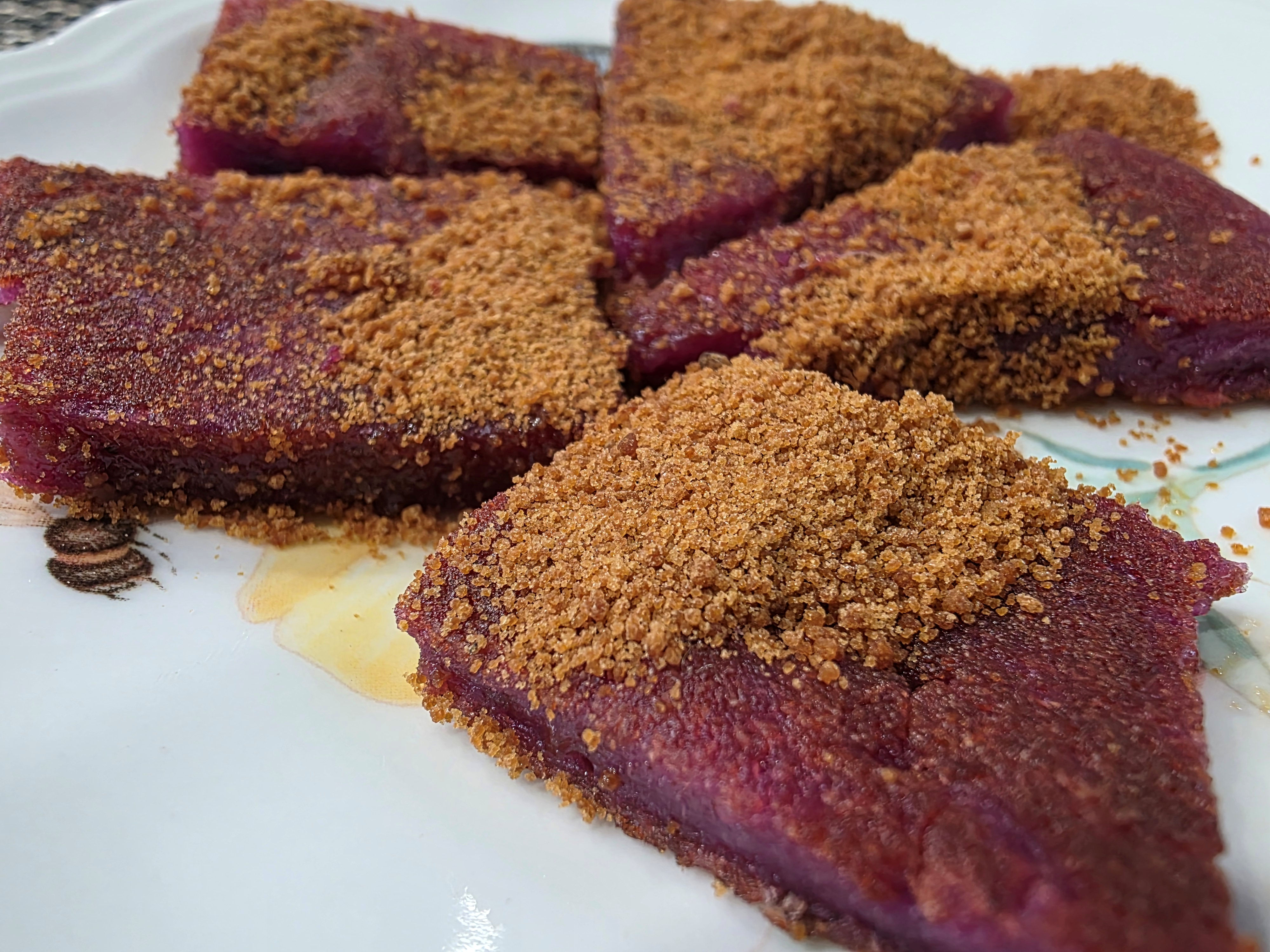
Image by hannaone: Goguma-injeolmi
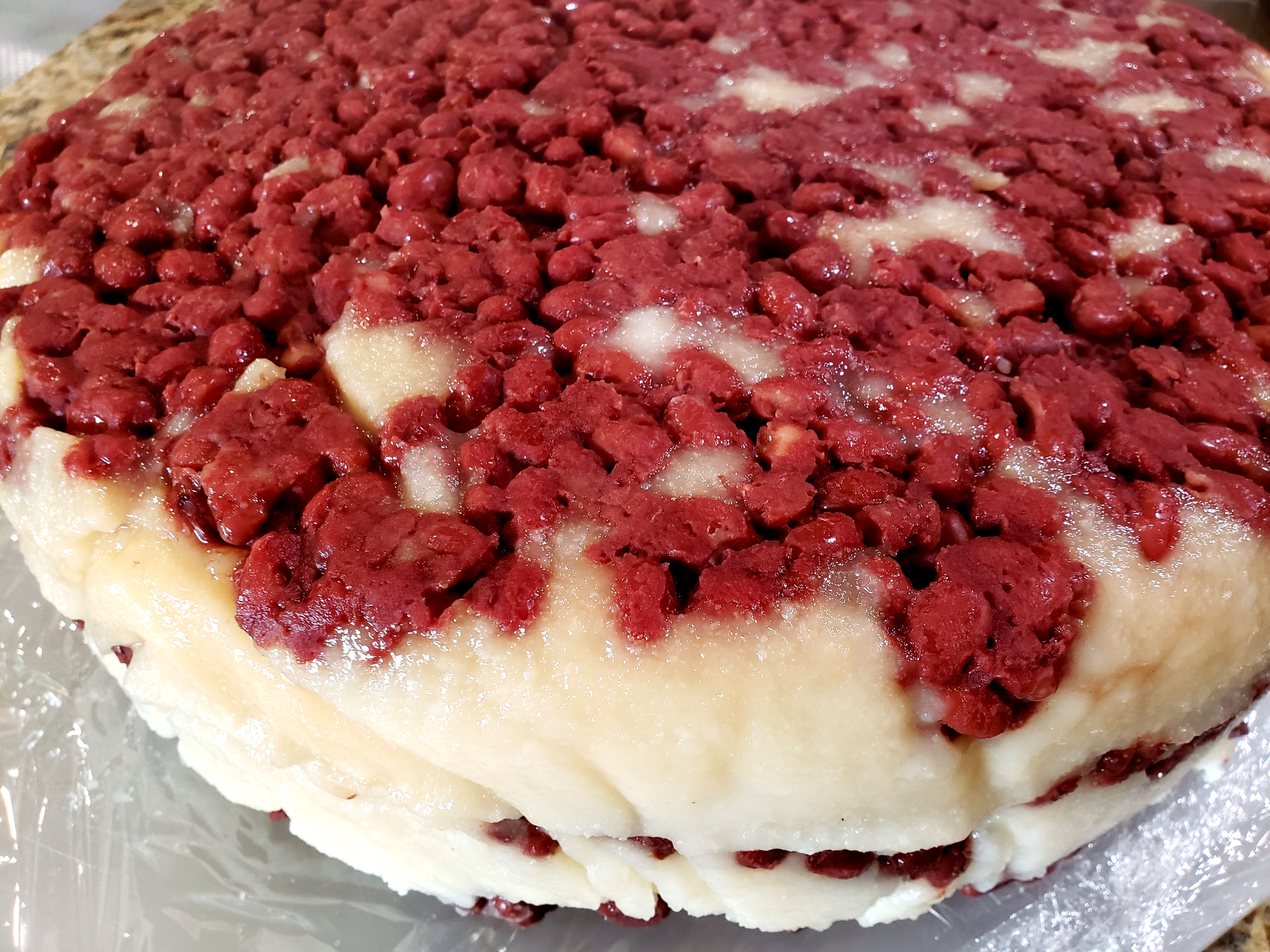
Image by hannaone: Pat-sirutteok
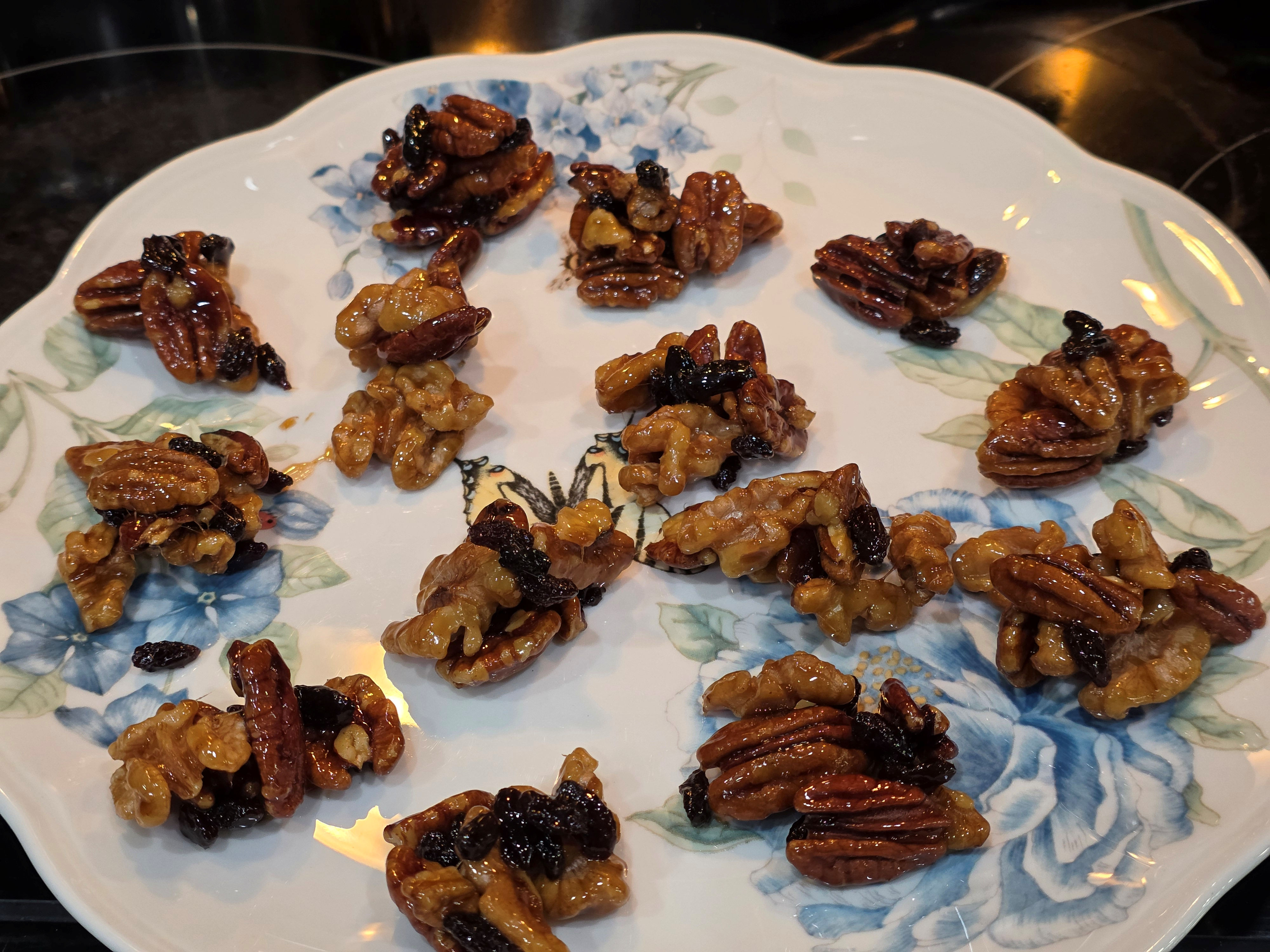
Image by hannaone: Jeongwha
Book of Sweets and Special Day Recipes
Article by Gil "hannaone" © Copyright 2007-2026. All rights reserved.
Korean sweets and desserts cover a wide range of textures and flavors, from chewy rice cakes to crisp, honey‑glazed confections and warm street‑food snacks. They tend to be mildly sweet, often earthy or nutty, and visually simple but elegant.
This section highlights several traditional and modern treats we occasionally served at our restaurant:
Injeolmi (인절미):
A well‑known type of tteok made from steamed, pounded glutinous rice. The pieces are coated in toasted soybean powder, giving them a soft chew and a subtle, nutty flavor.
Bungeoppang (붕어빵):
A popular winter street snack made by cooking batter in a fish‑shaped mold and filling it with sweetened red bean paste. Modern versions may use custard, chocolate, or sweet potato.
Sirutteok (시루떡):
A traditional layered rice cake steamed in a siru (earthenware steamer). Pat‑sirutteok, the most iconic style, alternates layers of red beans and rice flour. It is lightly sweet and closely tied to holidays and ancestral rites.
Jeonggwa (정과):
A type of hangwa made by simmering fruits, roots, or seeds—such as lotus root, ginger, or ginseng—in honey or sugar syrup until glossy and tender.
Bamcho (밤초):
A related confection made by simmering chestnuts in honey or sugar until they become soft, shiny, and lightly glazed, often reshaped to resemble whole chestnuts.
Bamcho: Candied Chestnuts -
Hodo Jeonggwha - Soy Candied Walnuts
Pat-sirutteok Red Bean Layered Rice Cake
Story Time
Special Days and Their Foods in Korean Culture
Korean “Special Days” are rooted in ancestral reverence, family bonds, and the rhythms of the agricultural year. These occasions are marked by foods prepared as offerings to ancestors and later shared by the family in a ritual meal called Eumbok, reinforcing lineage and togetherness.
Seollal (Lunar New Year)
A winter holiday centered on family reunions, honoring elders, and performing Charye (ancestral rites).
Chuseok (Korean Thanksgiving)
An autumn harvest festival giving thanks to ancestors for the year’s bounty.

Image by hannaone: Baek goguma injeolmi
Jesa / Gije
An annual memorial held on the exact anniversary of an ancestor’s passing.
Hansik (Cold Food Day)
Observed in early April, when families visit and tend ancestral graves (Seongmyo).
Dongji (Winter Solstice)
The shortest day of the year, traditionally associated with warding off misfortune.
Preparation for these events is often a large, communal effort. Extended families gather to wash, chop, fry, and steam dozens of dishes before bowing and inviting ancestors to “dine.” After the rites, everyone shares the food together—an act that blends devotion, memory, and family unity.
Check out Wooltari for Korean food and gifts!
Find it on Amazon! Purchases made through these links help support this site. As an Amazon Associate, we earn from qualifying purchases.