Book of Weight Equivalents
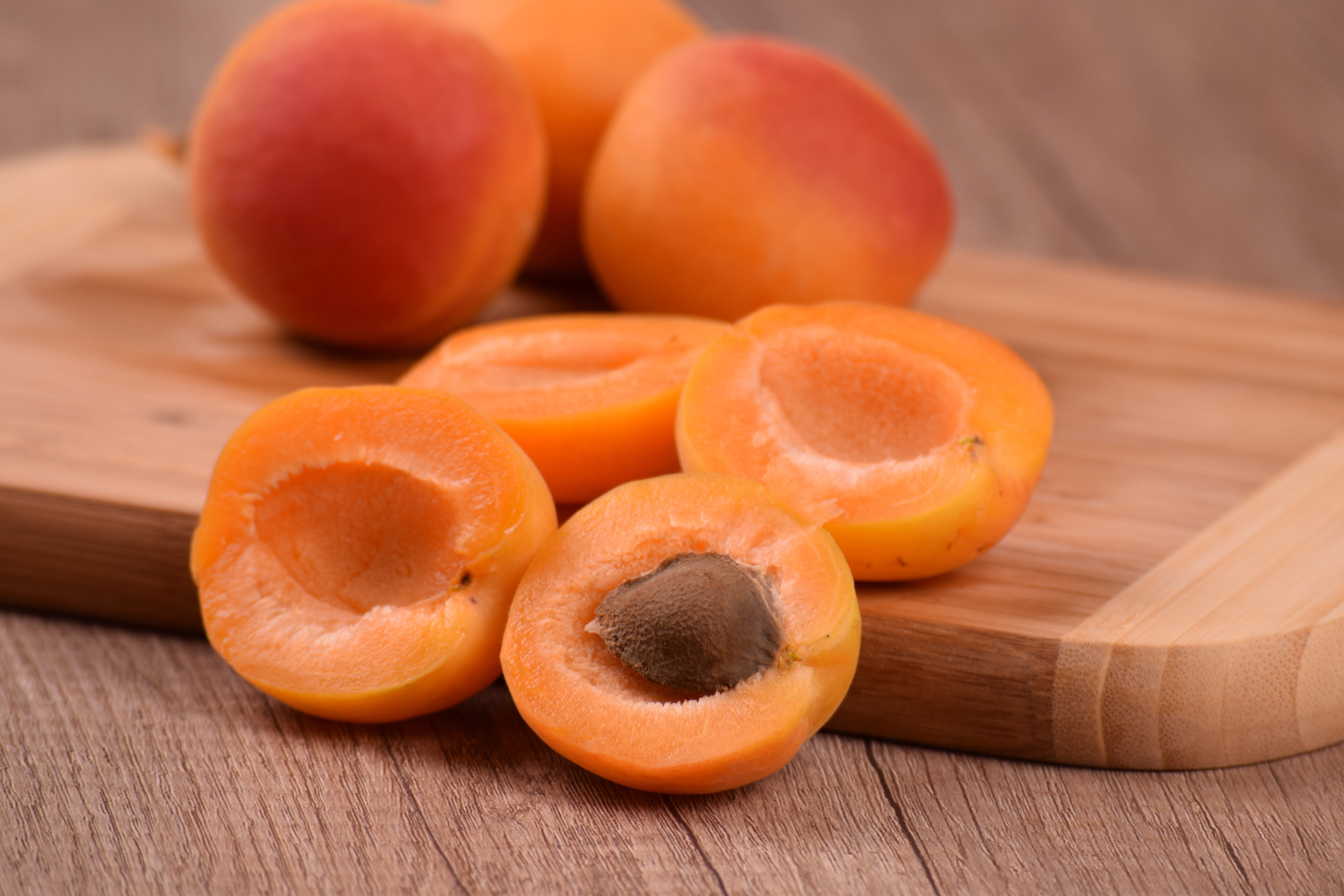
Image from Pixabay: Apricots
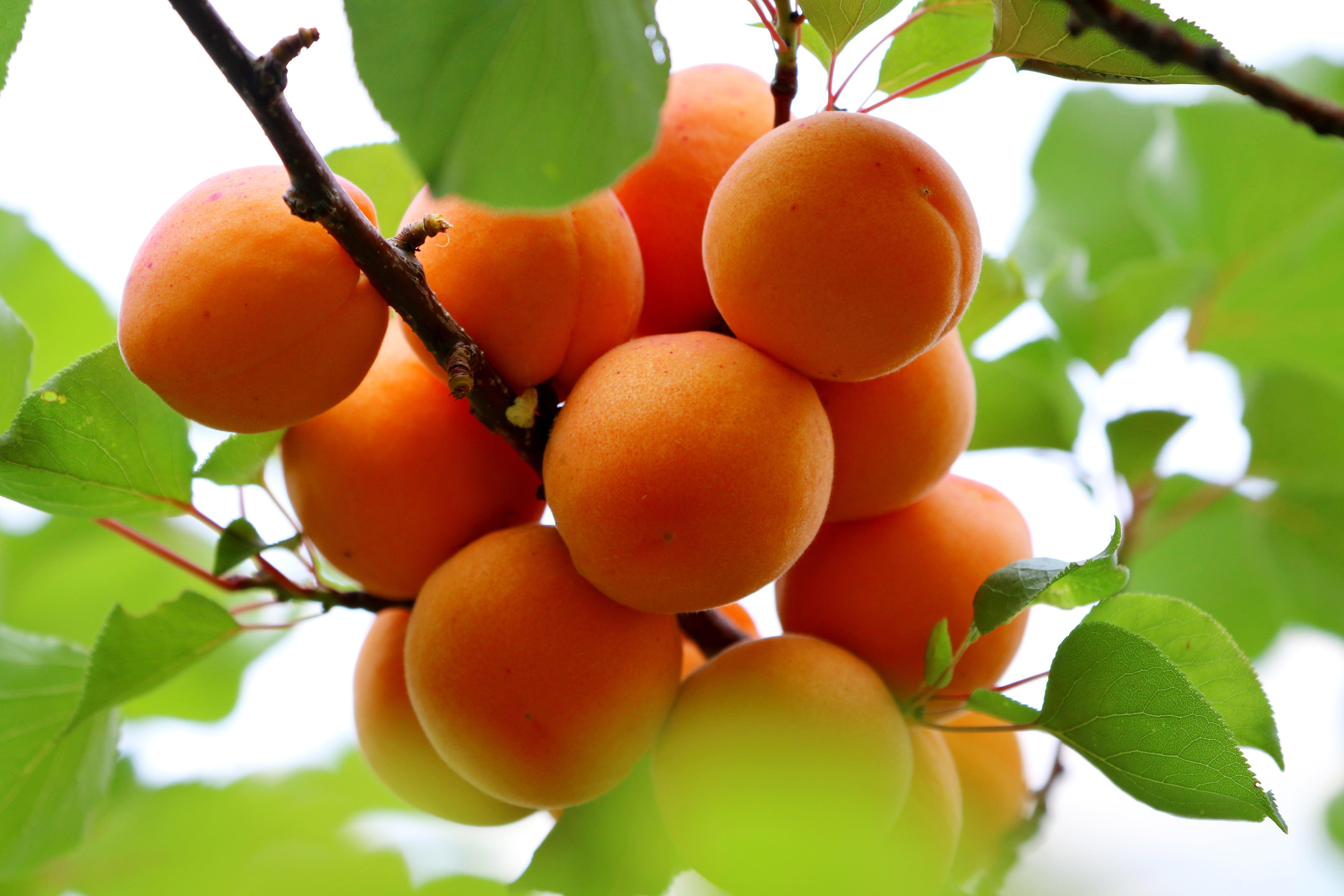
Image from Pixabay: Apricots
Weight Equivalents: Apricots
Article by Gil "hannaone" © Copyright 2007-2026. All rights reserved.
Weight and nutrition information primarily sourced through USDA Food Central or Korean Standard Food Composition Tables.
Origin and History
Apricots have a rich history dating back thousands of years. They are believed to have originated in northeastern China near the Russian border. From there, they spread to Armenia, where they were cultivated for their delicious fruit. In fact, the scientific name for apricot, Prunus armeniaca, reflects this association. Apricots were introduced to Europe by the Romans and eventually made their way to the Americas with Spanish explorers.
Varieties
There are several varieties of apricots, each with its own unique flavor and characteristics. Some popular types include:
Moorpark: Known for their large size and sweet flavor.
Tilton: Characterized by their distinct flavor and firm texture, making them ideal for drying.
Blenheim (Royal): A traditional variety with a rich, sweet taste and juicy flesh.
Katy: Early ripening and sweet, these apricots are perfect for fresh eating.
Gold Kist: Known for their beautiful color and balanced flavor.
Uses
Apricots are versatile and can be used in a variety of culinary applications:
Fresh Eating: Enjoy apricots as a healthy snack on their own.
Baking: Use apricots in pies, tarts, and cakes for a sweet and tangy flavor.
Jam and Preserves: Make apricot jam or preserves to enjoy the fruit year-round.
Dried Apricots: Dried apricots are a convenient and tasty option for snacking and baking.
Cooking: Add apricots to savory dishes like tagines, salads, and sauces for a burst of sweetness.
How to Choose
When selecting apricots, keep these tips in mind:
Look for Vibrant Color: Choose apricots with a rich, golden-orange color.
Check for Firmness: Gently squeeze the apricot; it should be firm but give slightly to pressure.
Avoid Blemishes: Avoid apricots with bruises, cuts, or wrinkles.
Smell the Fruit: Ripe apricots should have a sweet, fragrant aroma.
Substitutes
If you don't have apricots on hand, you can use these substitutes in recipes:
Peaches: Similar in texture and flavor, peaches are a great substitute for apricots.
Nectarines: Another stone fruit with a slightly different flavor but similar texture.
Plums: Plums can add a unique twist to recipes calling for apricots.
Dried Apricots: If you need fresh apricots and only have dried, rehydrate them by soaking in water.
Potential Health Benefits
Apricots are packed with nutrients and offer several health benefits:
Rich in Vitamins: Apricots are an excellent source of vitamins A and C, which support vision, skin health, and immune function.
Antioxidants: Apricots contain antioxidants like beta-carotene and lycopene, which help protect cells from damage.
Heart Health: The fiber, potassium, and antioxidants in apricots can support heart health by reducing blood pressure and cholesterol levels.
Digestive Health: Apricots are a good source of dietary fiber, which aids in digestion and prevents constipation.
Skin Health: The high vitamin C content supports collagen production, helping to maintain healthy skin.
🍑 🌞
How much does an Apricot weigh?
| Apricots | |||
|---|---|---|---|
| 1 Fruit |
Average |
35g | 1.2oz |
| Cup |
Slices |
165g | 5.8oz |
| Cup |
Halves |
155g | 5.5oz |
| Aprium | |||
|
Aprium is a hybrid cross of plum
and apricot with mostly apricot characteristics. Apriums are similar in
appearance to Apricots but are slightly smaller and much sweeter in flavor. The sugar content of these fruits is much higher
than that of a plum or apricot alone. |
|||
| 1 Fruit |
Average |
26g | 0.9oz |
| Cup |
Halves |
155g | 5.5oz |
| |||||||||||||||||||||||||||||||||||||||||||||||||||||||||||
| |||||||||||||||||||||||||||||||||||||||||||||||||||||||||||
Weights: Apricots
🍑 Did You Know? — Apricot Edition
• An Ancient “Golden Energy Bar”
Apricots have been cultivated for thousands of years across Central Asia and China. Their bright, nutrient‑dense flesh made them a prized travel food along the Silk Road.
• The World’s Apricot Capital
Turkey’s Malatya region has grown apricots since around 3000 B.C. and today produces roughly 85% of the world’s dried apricots.
• A Traveler of Empires
Though long associated with Armenia (Prunus armeniaca), modern genetics shows apricots were domesticated in Central Asia and China before spreading westward through ancient trade routes.
• The “Precocious” Fruit
Romans called the apricot praecocum—“the early one”—because it bloomed and ripened sooner than other stone fruits.
• A Kernel with a Secret
Inside each pit is an almond‑like kernel used in traditional Chinese medicine and cosmetic oils. Raw kernels contain compounds that can be toxic in large amounts, which is why they’re typically roasted or processed.
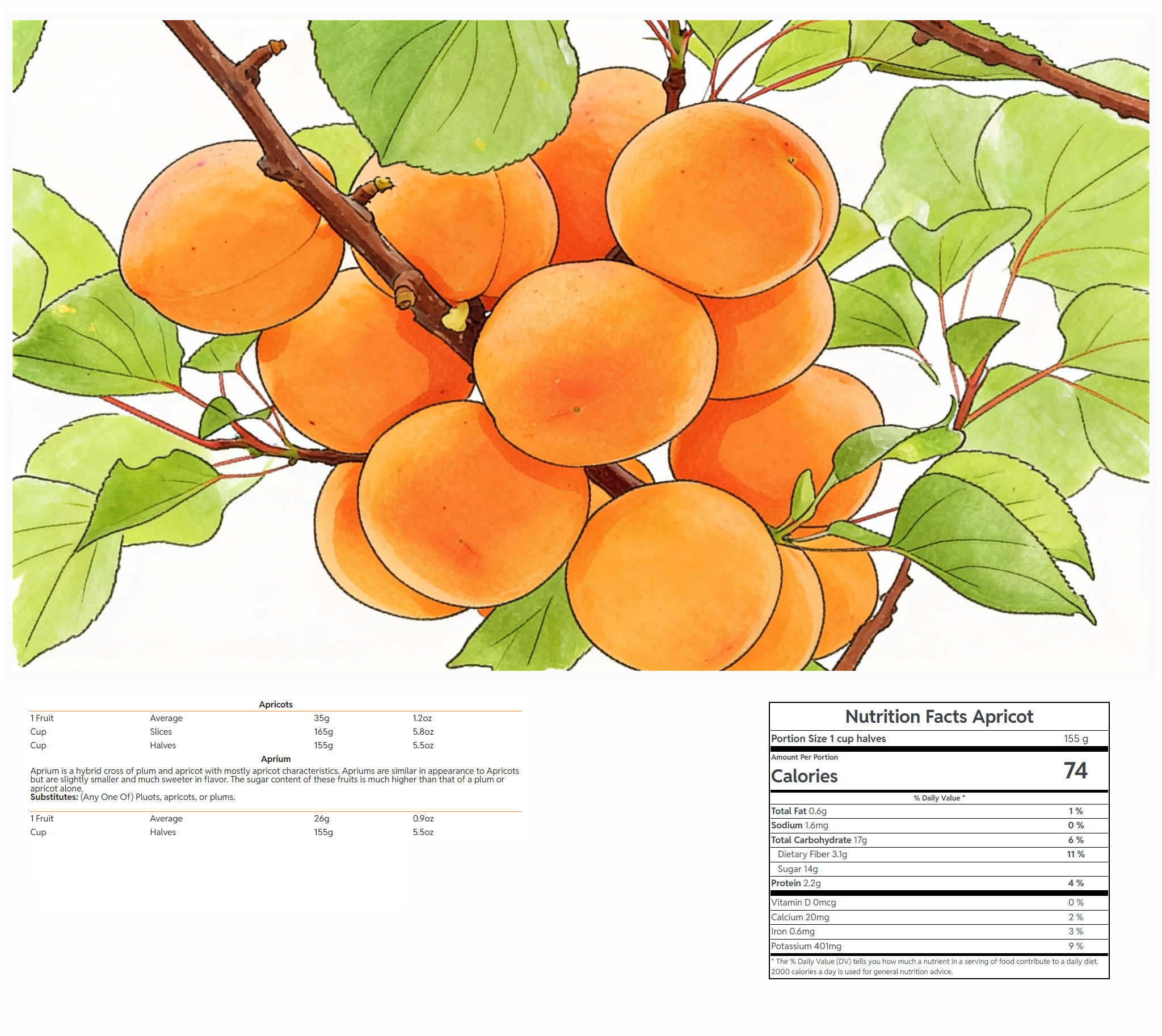
Image: Apricot Card
• Beta‑Carotene Powerhouse
The apricot’s golden color comes from beta‑carotene, a precursor to vitamin A known for supporting healthy skin and vision.
• Naturally Clean Nutrition
Fresh apricots contain no saturated fat, cholesterol, or sodium, making them a naturally wholesome snack.
• Family Ties
Apricots share their botanical lineage with peaches, nectarines, plums, and almonds—all members of the rose family.
• Delicate by Nature
Apricot trees are famously sensitive. Their early‑spring blossoms can be easily damaged by frost or strong winds, making successful cultivation a careful balancing act.
Check out Wooltari for Korean food and gifts!
Find it on Amazon! Purchases made through these links help support this site. As an Amazon Associate, we earn from qualifying purchases.


Comment?