Book of Weight Equivalents
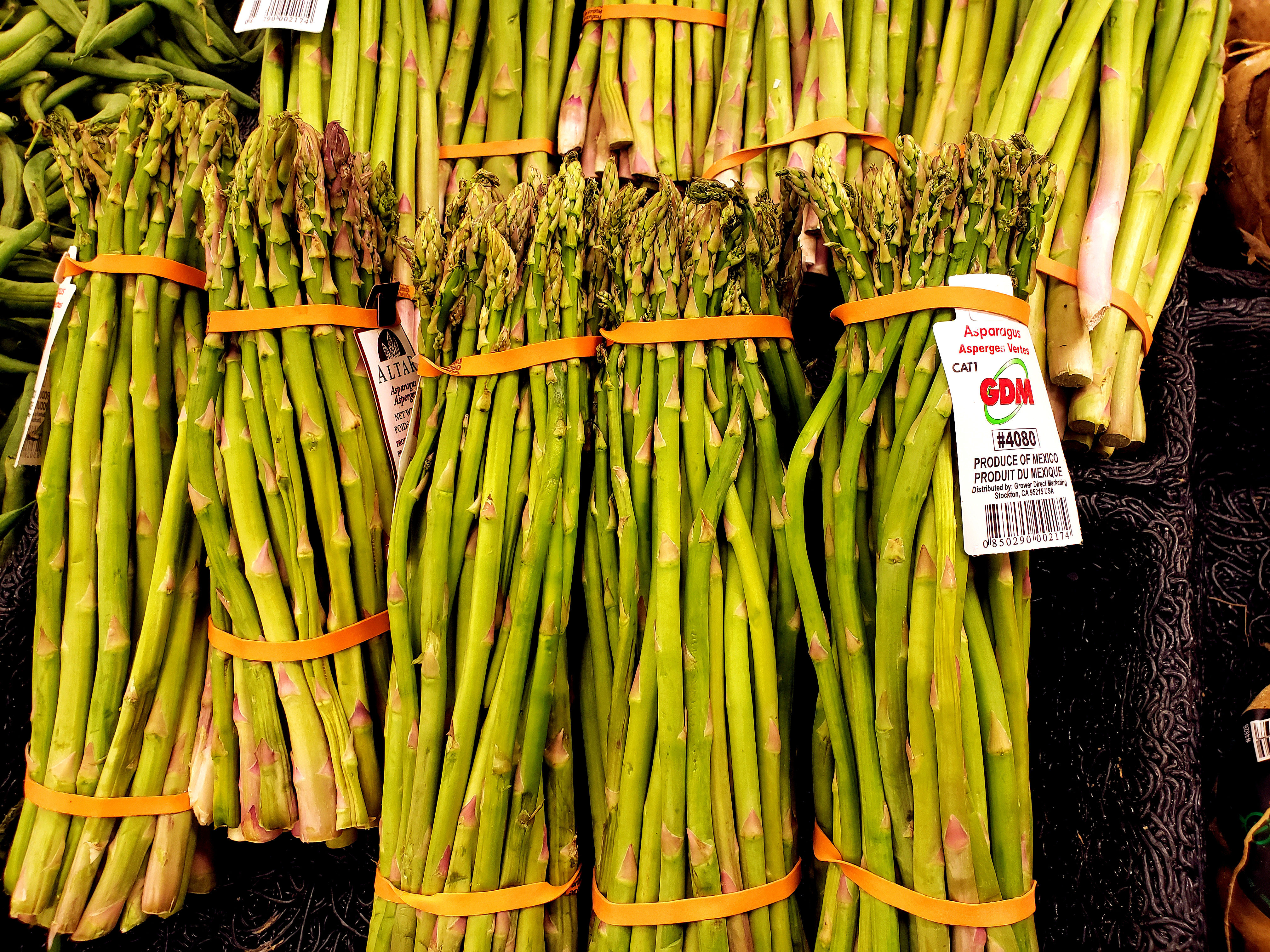
Image by hannaone: Asparagus
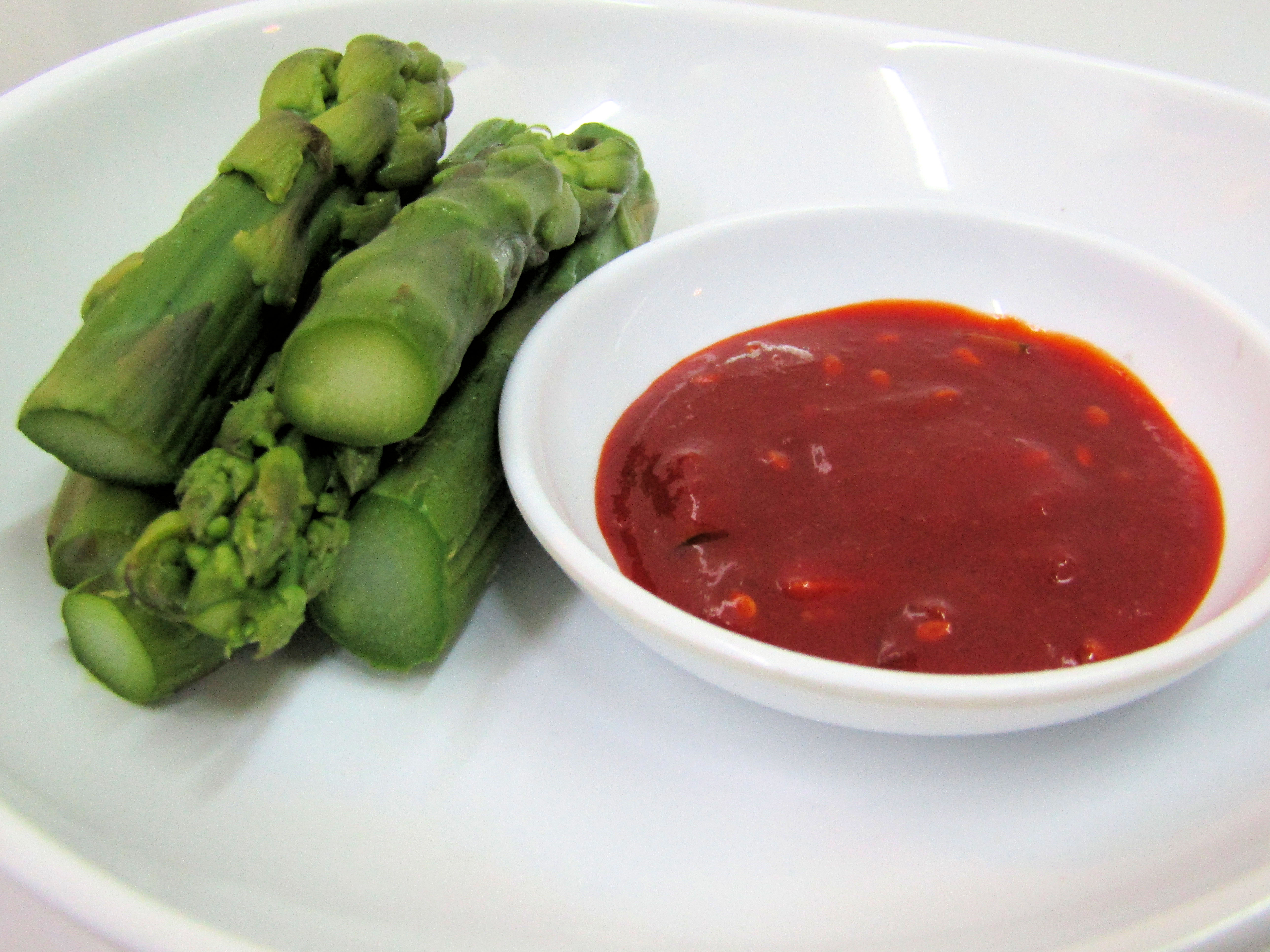
Image by hannaone: Asparagus with dip
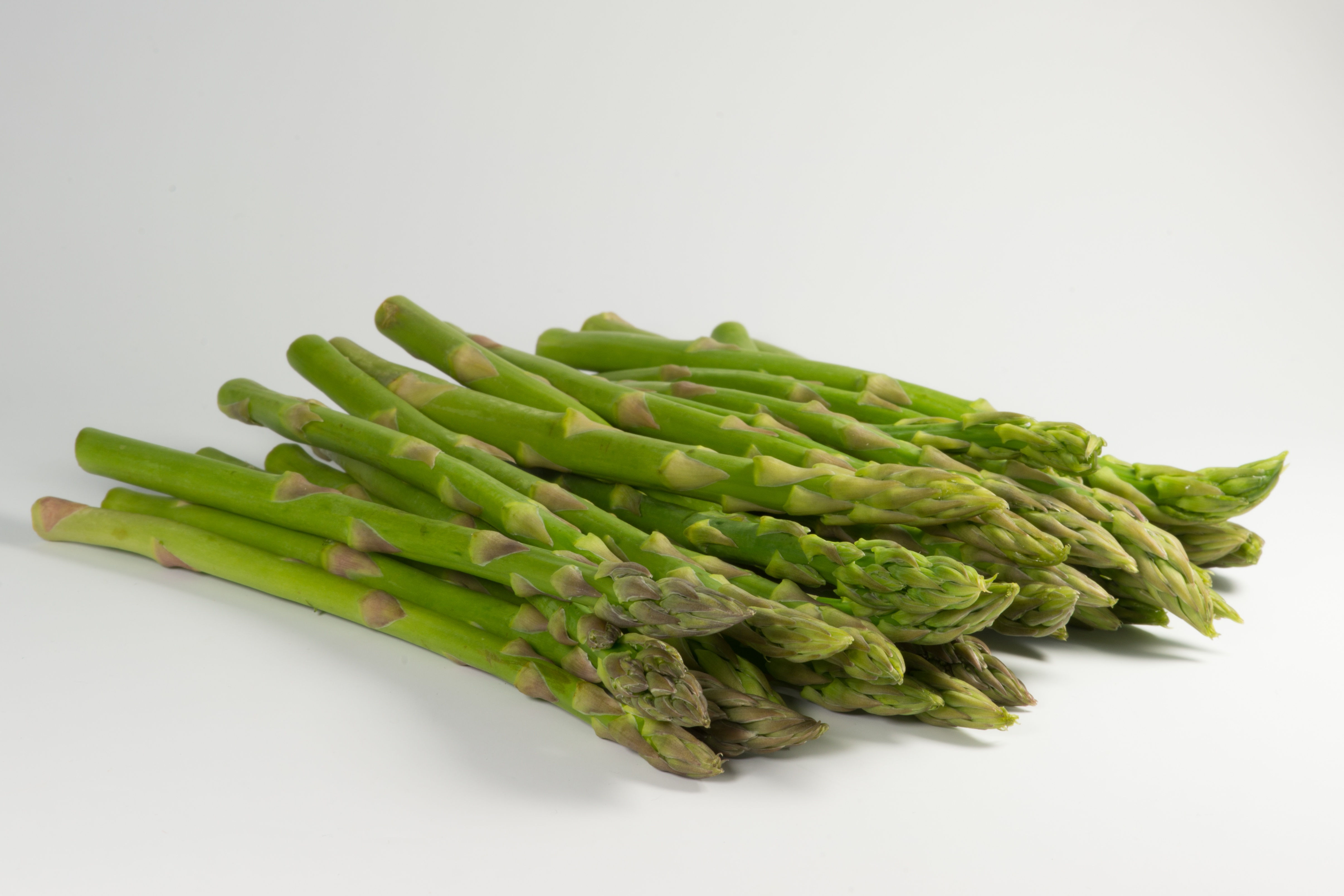
Image from Pixabay: Asparagus
Weight Equivalents: Asparagus
Article by Gil "hannaone" © Copyright 2007-2026. All rights reserved.
Origin
With a rich background and origins in Europe, northern Africa, and western Asia, asparagus was highly valued by early civilizations such as the Egyptians, Greeks, and Romans for its unique taste and healing properties. Its cultivation can be traced back over two millennia and eventually reached all corners of the world.
Uses
With its versatility, asparagus can be used in a variety of culinary dishes.
Cooking: It can be roasted, grilled, steamed, boiled, or sautéed. It’s often used in dishes like stir-fries, pastas, and casseroles.
Asparagus can bring a satisfying crunch to any salad when blanched.
Creamy asparagus soup is a highly favored dish in various culinary cultures.
Pickling: Asparagus that has been pickled makes for a delectable snack or garnish option.
Adding asparagus juice to your diet can be a nutritious choice when juicing.
Benefits:
Asparagus is not only delicious but also offers several health benefits:
Packed with Nutrients: Abundant in vitamins A, C, E, K, and folate.
Antioxidants: Contains glutathione, which aids in cell detoxification and protection against damage.
Dietary Fiber: Supports digestion and contributes to a healthy gut.
With its low calorie count, it is a perfect option for those watching their weight.
Beneficial for eliminating excess salt and fluid from the body, diuretic properties aid in flushing out unwanted substances.
Vitamin K is crucial for both maintaining strong bones and facilitating proper blood clotting.
Asparagus boasts of compounds with anti-inflammatory properties, which may potentially lower the chances of developing chronic illnesses.
Trivia:
Did you know that under ideal conditions, asparagus can grow up to 10 inches in just one day? That's pretty rapid growth! 🌱
How much does asparagus weigh?
| Asparagus | |||
|---|---|---|---|
| Spear, Extra Large |
8-3/4" to 10" Long |
24g | 0.9oz |
| Spear, Large |
7-1/4" to 8-1/2" Long |
20g | 0.7oz |
| Spear, Medium |
5-1/4" to 7" Long | 16g | 0.6oz |
| Spear, Small |
5" or Less in Length |
12g | 0.4oz |
| Spear Tip |
2" or Less in Length |
3.5g | 0.1oz |
| Cup❤️ |
134g | 4.7oz | |
| |||||||||||||||||||||||||||||||||||||||||||||||||||||||||||||||
Weights: Asparagus
🌱 Did You Know? Aspargus Edition
A few asparagus facts that show just how far this vegetable has traveled through history and culture:
• Ancient Rome: Emperor Augustus was so fond of asparagus that he coined the phrase “faster than cooking asparagus” to describe swift action—and even commissioned a special fleet to transport it.
• The “Royal” Treatment: France’s King Louis XIV loved asparagus enough to build dedicated greenhouses so he could enjoy it year‑round, earning him the nickname “Grand Asparagus.”
• White vs. Green: They’re the same plant. White asparagus is simply grown underground, shielded from sunlight so chlorophyll never forms.
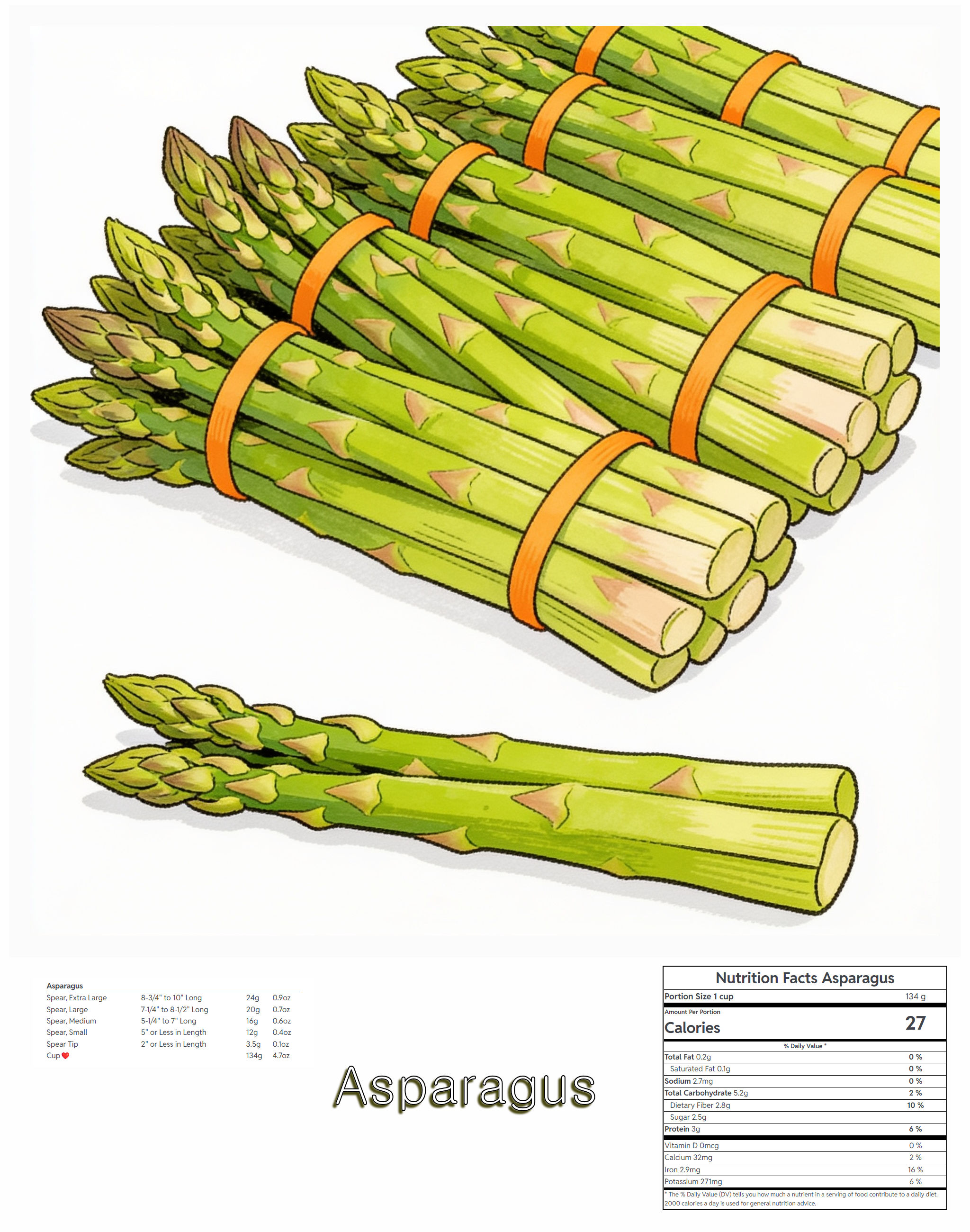
Image: Apricot Card
• Deep Purple: Varieties like Pacific Purple from New Zealand are naturally sweeter, lower in fiber, and tender enough to enjoy completely raw.
• The Scent Mystery: Everyone produces the compounds behind “asparagus pee,” but only about half of people can smell it due to a genetic trait called specific anosmia.
• A Patient Crop: Asparagus takes three years from seed to first harvest—but once established, a bed can keep producing for up to 15 years
Check out Wooltari for Korean food and gifts!
Find it on Amazon! Purchases made through these links help support this site. As an Amazon Associate, we earn from qualifying purchases.


Comment?