Book of Weight Equivalents
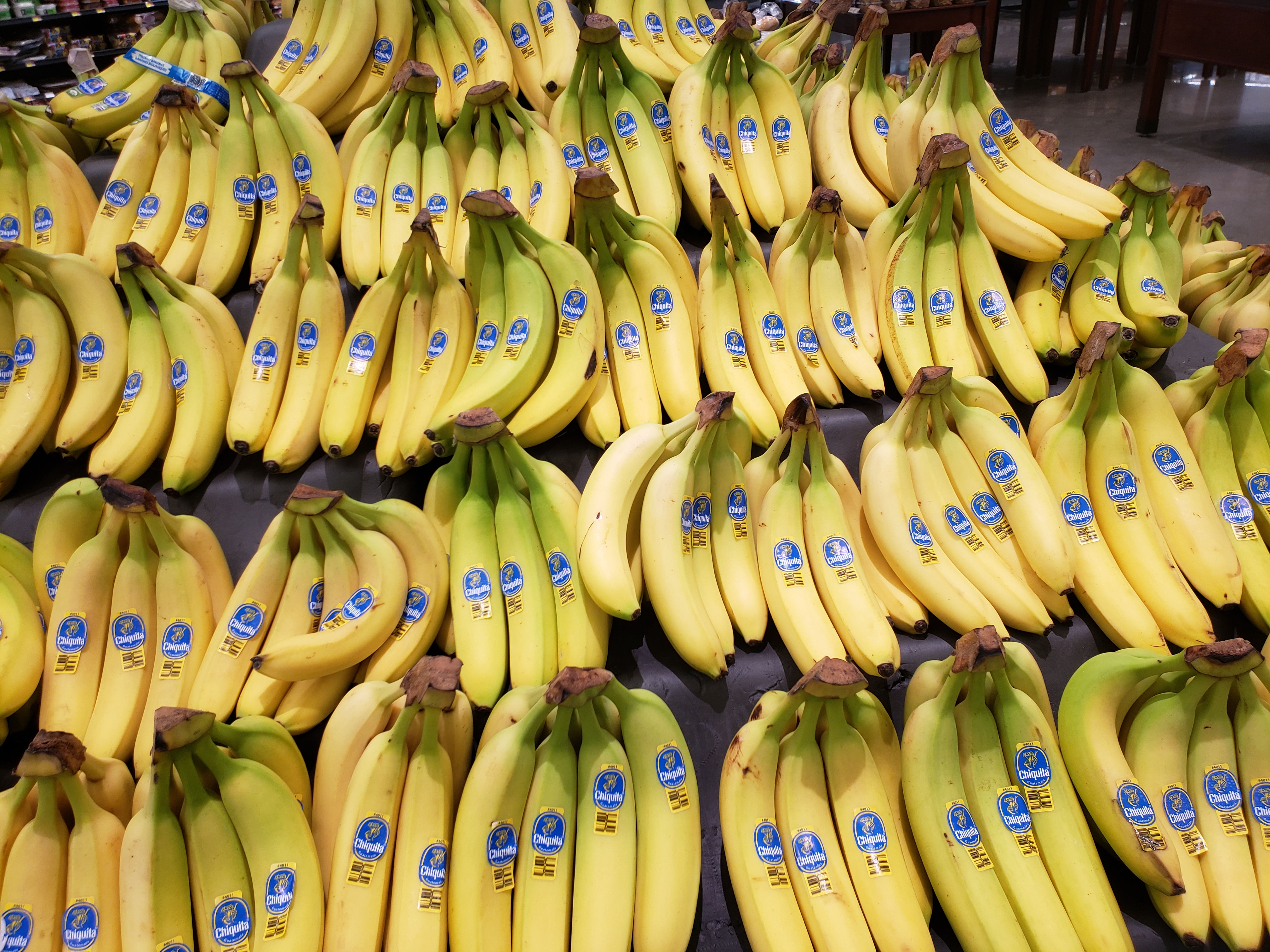
Image by hannaone: Bananas
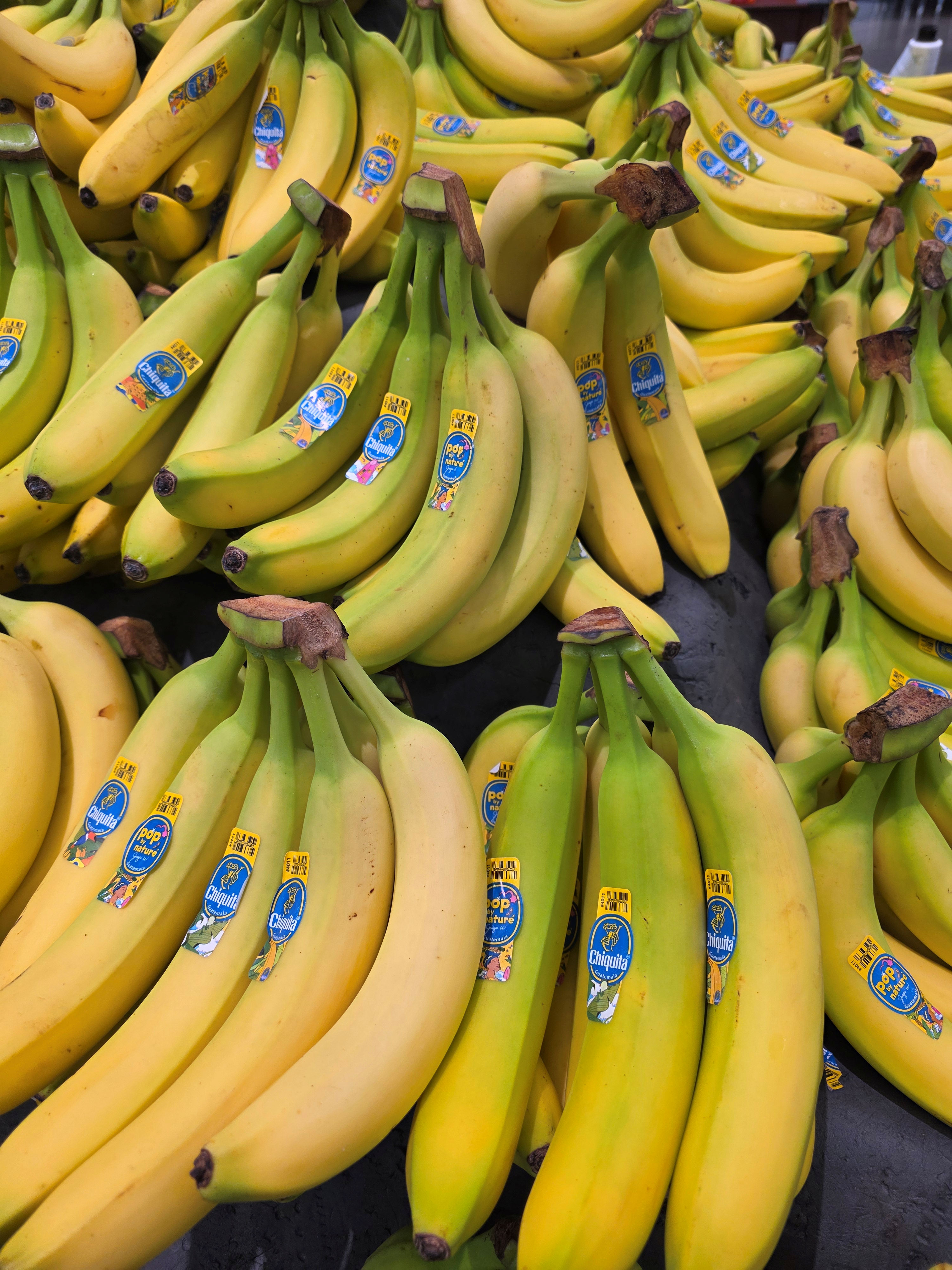
Image by hannaone: Bananas
Weight Equivalents: Bananas
Article by Gil "hannaone" © Copyright 2007-2026. All rights reserved.
Bananas are a highly nutritious tropical fruit from the Musa family, valued worldwide for their convenience, natural sweetness, and steady energy. They’re a staple in many cuisines and an accessible source of essential vitamins, minerals, and carbohydrates, all without fat or sodium.
📜 Origin & History
Bananas are considered one of the earliest domesticated fruits.
• Origins: They trace back roughly 10,000 years to Southeast Asia and the region of modern-day New Guinea.
• Early Spread: From there, bananas moved through Southeast Asia and India, eventually reaching Africa and the Middle East.
• Global Expansion: Bananas arrived in the Americas in the late 1800s. Improvements in shipping and refrigeration transformed them from a rare coastal import into a widely available, everyday fruit.
Major Varieties
While the familiar yellow Cavendish dominates global markets, bananas exist in hundreds of cultivars. These include:
• Red bananas with a berry-like sweetness
• Apple bananas (Manzano) with a tangy flavor
• Burro bananas with a lemony note
• Plantains, the starchy cooking bananas used across Africa, the Caribbean, and Latin America
🍲 Culinary Uses
Bananas behave differently depending on their ripeness, making them one of the most versatile fruits in the kitchen.
Unripe (Green) Bananas:
• Firm, starchy, and neutral in flavor.
Used like a vegetable:
• Boiled, steamed, or mashed
• Fried for chips or fritters
• Featured in savory dishes such as Dominican mangú or Ugandan matoke
Ripe (Yellow) Bananas
• Soft, sweet, and aromatic.
Common uses:
• Smoothies and smoothie bowls
• Sliced over oatmeal, yogurt, cereal, or toast
• Quick snacks and lunchbox staples
Overripe (Speckled) Bananas
• Soft, intensely sweet, and ideal for baking.
• They act as natural sweeteners, binders, and moisture boosters.
Baking & Desserts
• Banana bread and muffins
• Moisture and sweetness for cakes, pancakes, and cookies
• Egg substitute: ~½ mashed banana per egg
Frozen treats: “nice cream,” chocolate-dipped frozen bananas
Classic desserts like banana pudding, Bananas Foster, and upside-down cakes
Breakfast & Snacks
• Smoothies and blended drinks
• Toppings for oatmeal, yogurt, cereal, and peanut butter toast
• Mashed bananas mixed with milk and spices for an egg-free French toast batter
Savory Cooking
• Green bananas used as starches in stews and mashes
• Pan-fried or deep-fried banana fritters in Southeast Asian and Caribbean cuisines
🔄 Substitutes
Bananas are unique, but in certain recipes you can replace them with ingredients that mimic their sweetness, moisture, or texture.
For baking or smoothies:
• Applesauce — similar moisture and mild sweetness
• Pumpkin purée — thicker, earthier, good for structure
• Silken tofu — neutral flavor and smooth texture
• Greek yogurt — adds moisture and mild tang
For creamy texture in blended drinks:
• Frozen mango
• Cooked sweet potato
• Cashew cream
🩺 Health Benefits
Bananas offer a balanced mix of carbohydrates, fiber, vitamins, and minerals.
Nutritional Snapshot (per medium banana)
• 105–110 calories
• 3 g fiber
• 422 mg potassium
• Notable Vitamin C, Vitamin B6, and Magnesium
Heart Health
Their high potassium content helps maintain healthy blood pressure and supports normal heart rhythm.
Digestive Support
• Bananas contain both pectin and resistant starch, which help regulate digestion and support beneficial gut bacteria.
• Green bananas are especially high in resistant starch.
• Ripe bananas are gentler and easier to digest.
Energy & Athletic Performance
Bananas provide quick, easily digestible carbohydrates—glucose, fructose, and sucrose—making them a reliable pre- or post-workout fuel.
How much does a banana weigh?
| Banana | |||
|---|---|---|---|
| Measure | Size / State | Grams | Ounces |
| Fruit |
extra small (less than 6" long) |
81g | 2.9 |
| Fruit |
small (6" to 6-7/8" long) | 101 | 3.6 |
| Fruit |
medium (7" to 7-7/8" long) | 118 | 4.2 |
| Fruit, |
large (8" to 8-7/8" long) | 136 | 4.8 |
| Fruit, |
extra large (9" or longer) | 152 | 5.4 |
| Single |
NLEA serving | 126 | 4.4 |
| Cup |
mashed | 225 | 7.9 |
| Cup |
sliced | 150 | 5.3 |
Ounces shown are rounded up or down to the nearest tenth of an ounce.
| |||||||||||||||||||||||||||||||||||||||||||||||||||||||||||||||
Weights: Bananas
💡 Did You Know? 🍌 Banana Edition
Bananas might feel like an ordinary fruit, but they sit at the center of a huge global story. They’re the fourth most popular agricultural product in the world, with an estimated 100 billion bananas consumed every year. Botanically, they’re not even trees—but giant herbs—and the fruit itself is technically a berry.
🌍 Global Trivia & Consumption
Heavy eaters: In Ecuador, average consumption reaches about 218 pounds of bananas per person per year, making them some of the world’s most devoted banana eaters.
Production powerhouses: India produces roughly 29% of the world’s bananas, while Ecuador and the Philippines are major exporters that supply many international markets.
Daily staple, not dessert: In parts of East Africa, especially Uganda, bananas are a core staple. The word “matooke” in Uganda can mean both “food” and “banana”, reflecting how central they are to the diet.
Botanical berries: From a botanical standpoint, bananas are berries because they develop from a single ovary and contain seeds—though in wild bananas, those seeds are large and hard.
🌱 Cultivation & the Clone Problem
No seeds in your Cavendish: The common supermarket banana, the Cavendish, is seedless and cannot reproduce sexually.
Clonal crops: Because they don’t produce viable seeds, Cavendish bananas are propagated through cuttings. This means nearly all commercial Cavendish plants are genetic clones of one another.
Why that matters: Clonal crops are efficient to grow but vulnerable—if a disease can infect one plant, it can potentially infect them all.
More than Cavendish: Globally, there are over 1,000 banana varieties, including:
Blue Java (“Ice Cream” banana): Known for a creamy texture and vanilla‑like flavor.
Macabu: A darker, almost black‑skinned variety with a rich taste.
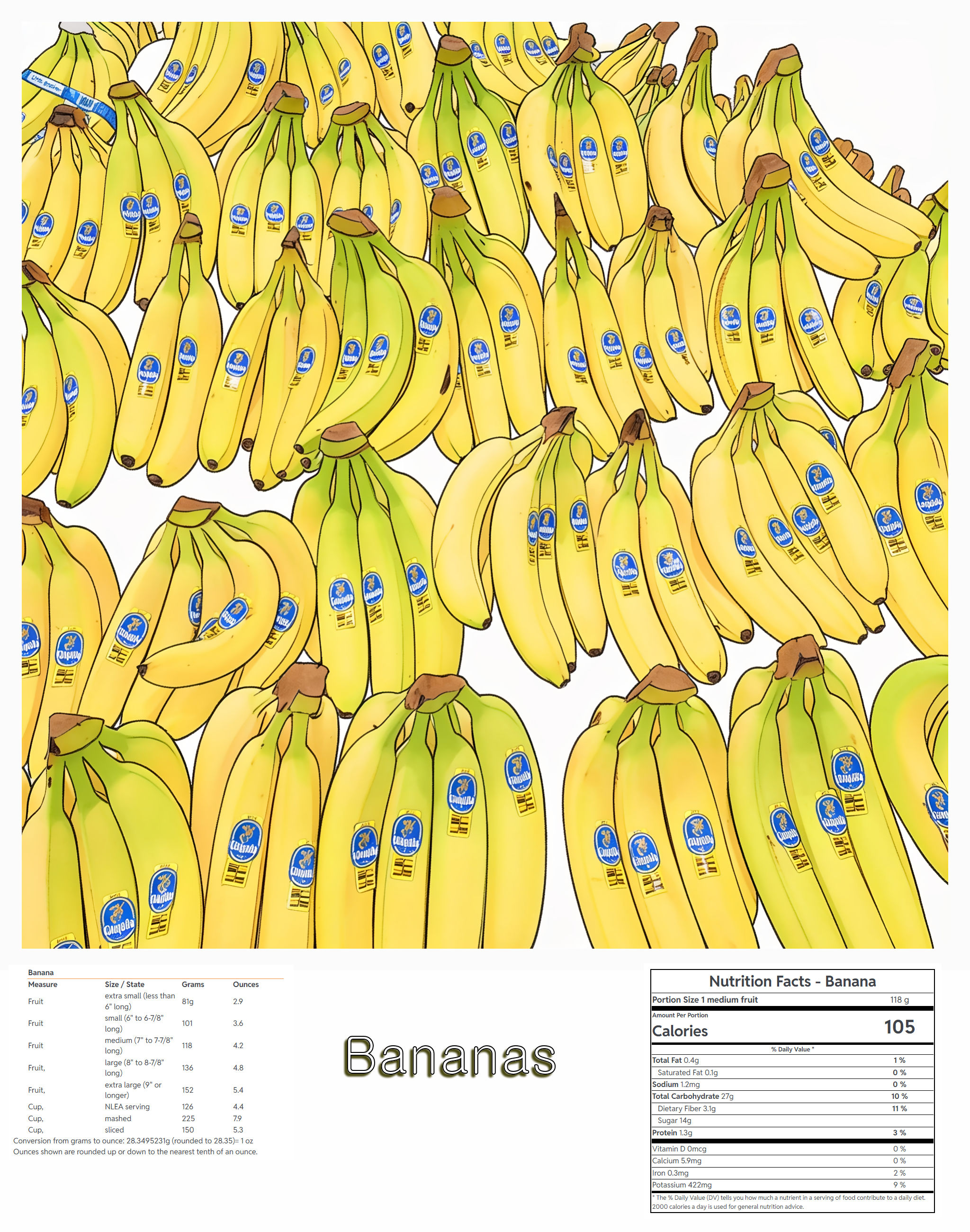
Image: Apricot Card
🌿 Plant Facts & Oddities
Not a tree: The “trunk” of a banana plant is actually a pseudostem—a tightly packed cylinder of leaf bases. Bananas are the world’s largest herbaceous flowering plants, not true trees.
Ancient travelers: Historical accounts suggest that Alexander the Great encountered bananas in India and helped introduce them to parts of the Mediterranean region around 2,300 years ago.
Slightly radioactive: Bananas contain potassium‑40, a naturally occurring radioactive isotope. The amount is tiny and harmless—you’d need to eat millions of bananas at once to experience any radiation‑related effects.
Check out Wooltari for Korean food and gifts!
Find it on Amazon! Purchases made through these links help support this site. As an Amazon Associate, we earn from qualifying purchases.


Comment?