Book of Weight Equivalents
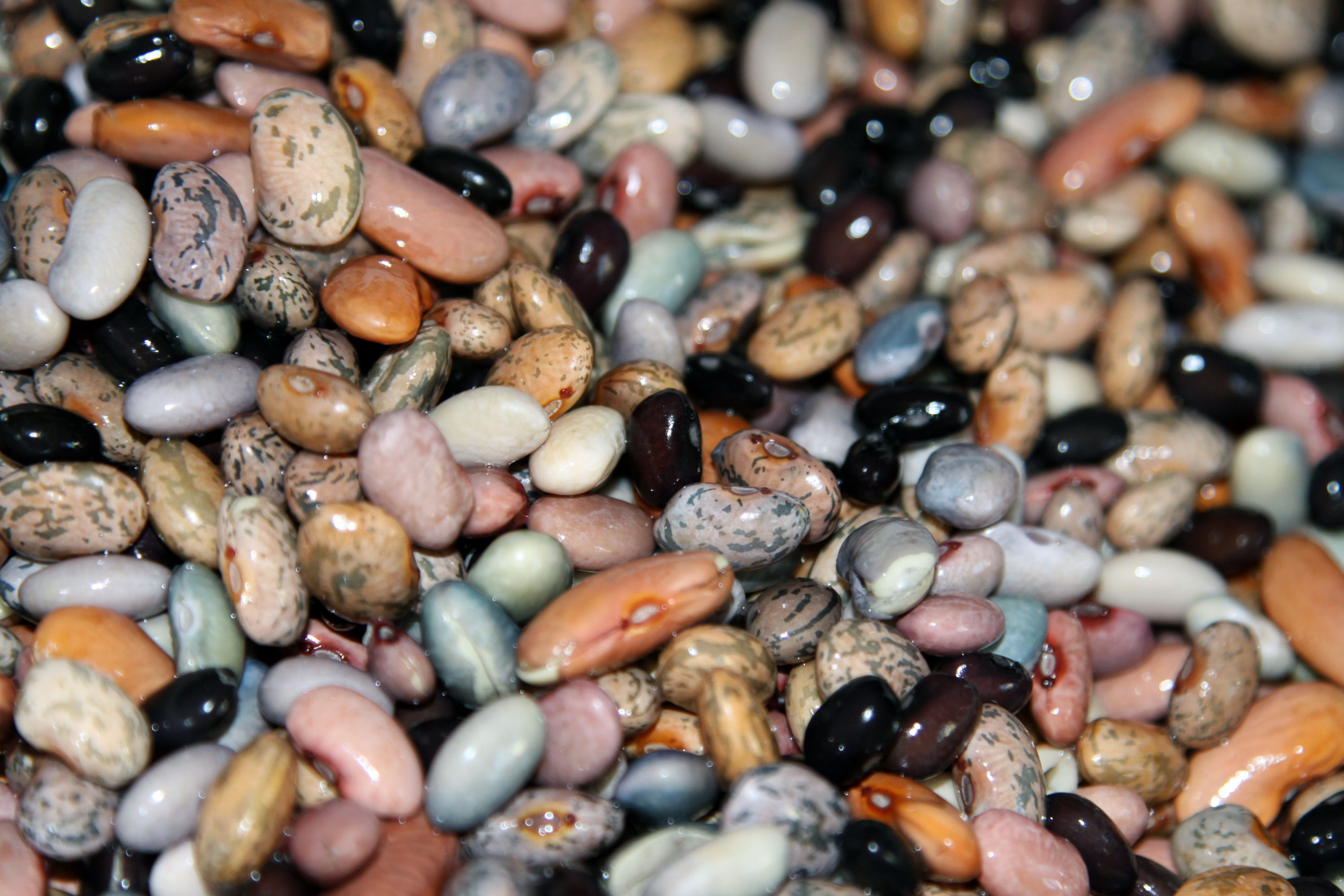
Image from Pixabay: Beans
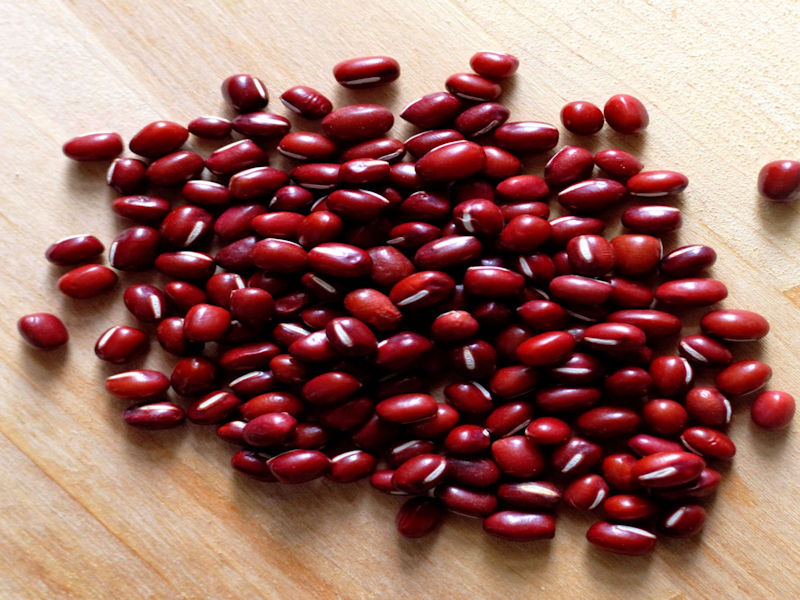
Image from Pixabay: Adzuki Beans
Weight Equivalents: Beans
Article by Gil "hannaone" © Copyright 2007-2026. All rights reserved.
Weight and nutrition information primarily sourced through USDA Food Central or Korean Standard Food Composition Tables.
🫘 Beans
Category: Legumes / Pulses
Beans are highly nutritious, plant-based seeds belonging to the Fabaceae (legume) family. They are among the most versatile ingredients in global cooking, valued for their high fiber, plant protein, and slow-digesting carbohydrates. Beyond nutrition, beans play a major agricultural role: they enrich soil through nitrogen fixation, making them essential to sustainable farming systems.
Beans, beans, the musical fruit...
📜 Origin & History
Beans are among humanity’s oldest cultivated crops, with archaeological evidence stretching back 8,000–10,000 years. Their history is not singular; instead, beans were domesticated independently across multiple continents.
The Americas: Home of the Common Bean
• Most beans familiar to Western cooking—black beans, kidney beans, pinto beans, navy beans, and cannellini—belong to Phaseolus vulgaris, domesticated in both Mesoamerica and the Andes.
• The “Three Sisters” system: Indigenous farmers planted beans with corn and squash. Corn provided a natural trellis, beans fixed nitrogen into the soil, and squash shaded the ground to suppress weeds.
• Columbian Exchange: After 1492, New World beans were introduced to Europe, Africa, and Asia, rapidly becoming global staples.
Asia: Ancient Legume Centers
• Eastern and Southern Asia cultivated their own bean species long before New World beans arrived.
• Soybeans, mung beans, and adzuki beans have histories stretching back 7,000–9,000 years.
• Adzuki beans were independently domesticated in Japan between 3,000–5,000 years ago, forming the backbone of East Asian sweet bean pastes.
Middle East & Europe: The Fava Bean
• Before the Columbian Exchange, Eurasia relied on entirely different legumes.
• Fava beans (broad beans) were gathered and cultivated in the Middle East and Mediterranean thousands of years ago.
• Ancient Egyptians used fava beans extensively, and they appear frequently in royal tombs.
Scientific & Cultural Impact
Beans have shaped human civilization in surprising ways:
• Genetics: Gregor Mendel’s work with pea and bean plants established the foundation of modern genetics.
• Agriculture: Legumes’ ability to fix nitrogen made them critical to early farming and the Neolithic transition to settled life.
• Cuisine: Beans anchor dishes like Indian dal, Japanese red bean paste, Mexican refried beans, Brazilian feijoada, and countless soups, stews, and porridges worldwide.
Major Varieties
The word “bean” covers a wide range of species. Common categories include:
• Common Beans (Phaseolus vulgaris) - Black beans, kidney beans, navy beans, pinto beans, cannellini beans.
• Other Legumes Often Called Beans - Chickpeas (garbanzos), fava beans, lima beans, soybeans, adzuki beans, mung beans.
• Fresh Beans (Edible Pods) - Green beans, long beans, wax beans, French beans.
🍲 Culinary Uses
Beans adapt to nearly any cooking method:
• Soups & Stews: Black beans, navy beans, and kidney beans simmer into hearty, comforting dishes.
• Purees & Dips: White beans blend into creamy spreads, dips, and hummus-style preparations.
• Salads & Bowls: Chickpeas, black beans, and edamame add protein and texture.
• Curries & Dal: Split lentils and mung beans cook quickly and break down into silky bases.
• Sweet Preparations: Adzuki and mung beans are used in pastries, buns, mooncakes, and ice creams across East and Southeast Asia.
🔄 Substitutes
The best substitute depends on the dish:
For Protein & Texture
• Lentils: Closest match; cook faster and offer similar nutrition.
• Tofu / Tempeh: High-protein, neutral flavor, excellent in stir-fries or crumbled into sauces.
• Edamame: Firm, slightly waxy texture for salads and bowls.
• Green Peas: Sweet, soft, and easy to incorporate.
For Heartiness in Stews & Chilis
• Sweet Potatoes: Dense, slightly sweet cubes mimic the body of beans.
• Mushrooms: Chewy, savory, and deeply flavorful.
• Ground Meat: Traditional swap in chilis if not vegetarian.
For Dips & Spreads
• Cauliflower: Blends into a smooth, bean-like puree.
• Nuts & Seeds: Soaked almonds or macadamias replicate creamy white bean textures.
🩺 Health Benefits
Regular bean consumption supports long-term health:
• Weight Regulation: Fiber and protein increase satiety.
• Heart Health: Beans help lower LDL cholesterol and stabilize blood pressure.
• Chronic Disease Prevention: Antioxidants and slow-digesting carbs reduce risks of diabetes, stroke, and certain cancers.
🌿 Nutritional Snapshot
Beans are nutrient-dense and naturally low in fat.
• Protein: ~8–15 g per cooked cup
• Fiber: High in both soluble and insoluble fiber
• Minerals: Iron, potassium, magnesium, zinc, folate
• Fat: Very low; completely cholesterol-free
🔧 Preparation & Safety
Beans require proper handling:
• Cooking is essential: Raw beans contain lectins, especially kidney beans, which can cause severe digestive distress if undercooked.
• Soaking: Reduces cooking time and improves digestibility.
• Rinsing: Helps remove excess starch and reduce foaming during cooking
How much do beans weigh?
| Adzuki Beans | |||
|---|---|---|---|
| 1 cup |
U.S. |
197g | 7oz |
| Conversion from grams to ounce: 28.3495231g(rounded to 28.35)= 1 oz
Ounces shown are rounded up or down to the nearest tenth of an ounce. |
|||
| |||||||||||||||||||||||||||||||||||||||||||||||||||||||||||
| Black Turtle Beans | |||
|---|---|---|---|
| 1 cup |
U.S. |
184g | 6.5oz |
| Conversion from grams to ounce: 28.3495231g(rounded to 28.35)= 1 oz
Ounces shown are rounded up or down to the nearest tenth of an ounce. |
|||
| |||||||||||||||||||||||||||||||||||||||||||||||||||||||||||||||
| Black Beans | |||
|---|---|---|---|
| 1 tablespoon |
U.S. |
12.1g | .4oz |
| 1 cup |
U.S. |
194g | 6.8oz |
| Conversion from grams to ounce: 28.3495231g(rounded to 28.35)= 1 oz
Ounces shown are rounded up or down to the nearest tenth of an ounce. |
|||
| |||||||||||||||||||||||||||||||||||||||||||||||||||||||||||||||
| Kidney Beans | |||
|---|---|---|---|
| 1 tablespoon |
U.S. |
12.2g | .4oz |
| 1 cup |
U.S. |
184g | 6.5oz |
| Conversion from grams to ounce: 28.3495231g(rounded to 28.35)= 1 oz
Ounces shown are rounded up or down to the nearest tenth of an ounce. |
|||
| |||||||||||||||||||||||||||||||||||||||||||||||||||||||||||||||
Weights: Beans
💡 Did You Know? Beans Edition
Climate Impact: Replacing beef with beans in the U.S. could achieve 75% of the greenhouse gas reductions needed to meet national climate goals.
Ancient Rome: Families often took names from legumes—Cicero (chickpea) and Fabius (fava bean).
Nigeria: Fermented African locust beans are a cornerstone seasoning in West African cooking.
Ancient Egypt: Beans were sacred and placed in tombs as food for the afterlife.
Brazil: Feijoada, the national dish, is a black bean stew with salted or smoked pork.
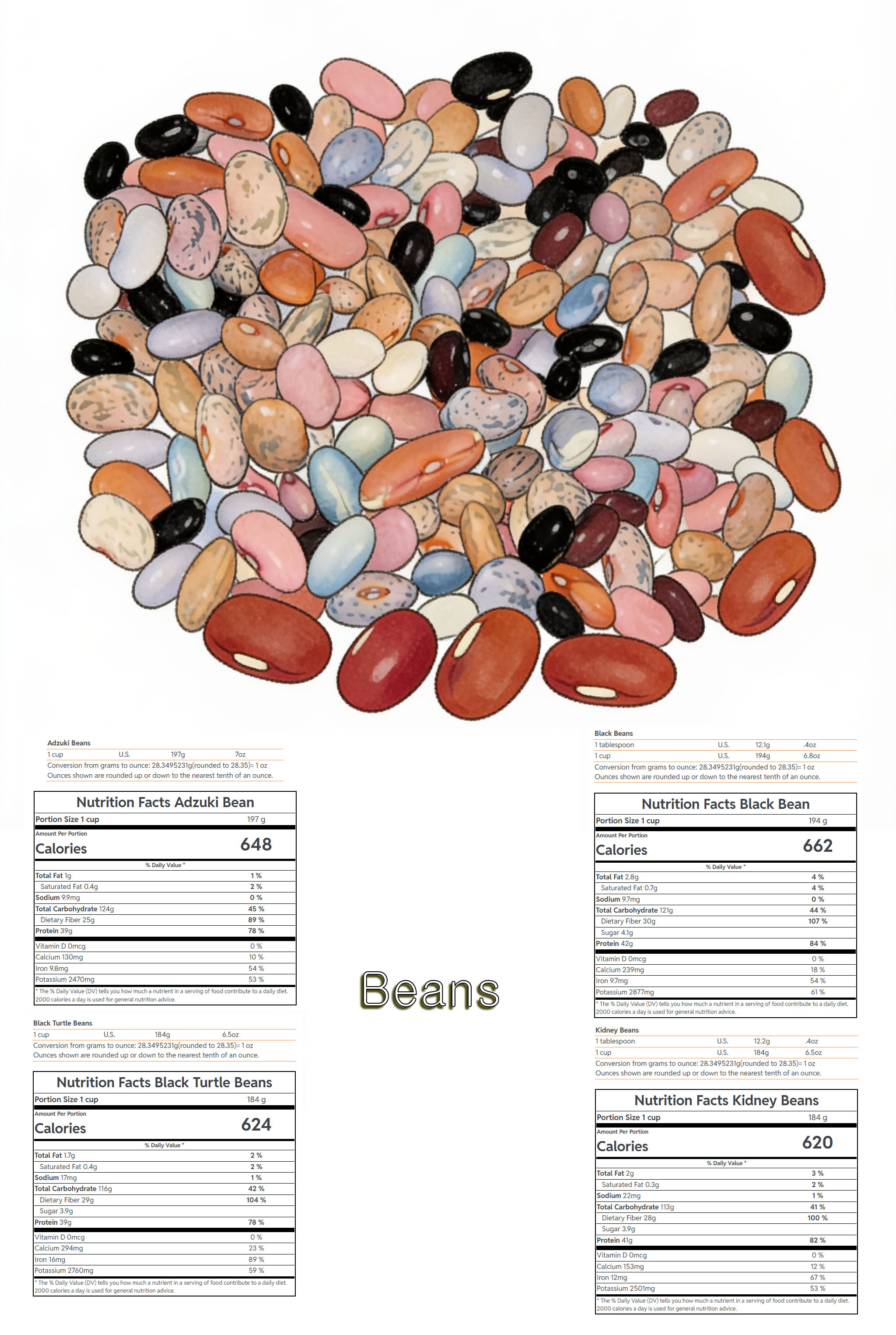
Image: Apricot Card
Mali: The Bambara groundnut ripens underground like a peanut.
United Kingdom: Beans on Toast is a national comfort food built on the American haricot bean.
Ancient Greece: Beans were used to cast votes, and Pythagoras refused to eat them, believing they contained the souls of the dead
Check out Wooltari for Korean food and gifts!
Find it on Amazon! Purchases made through these links help support this site. As an Amazon Associate, we earn from qualifying purchases.


Comment?