Recipes: Noodles
Article by Gil "hannaone" © Copyright 2007-2026. All rights reserved.
Image by hannaone: Bibim-guksu
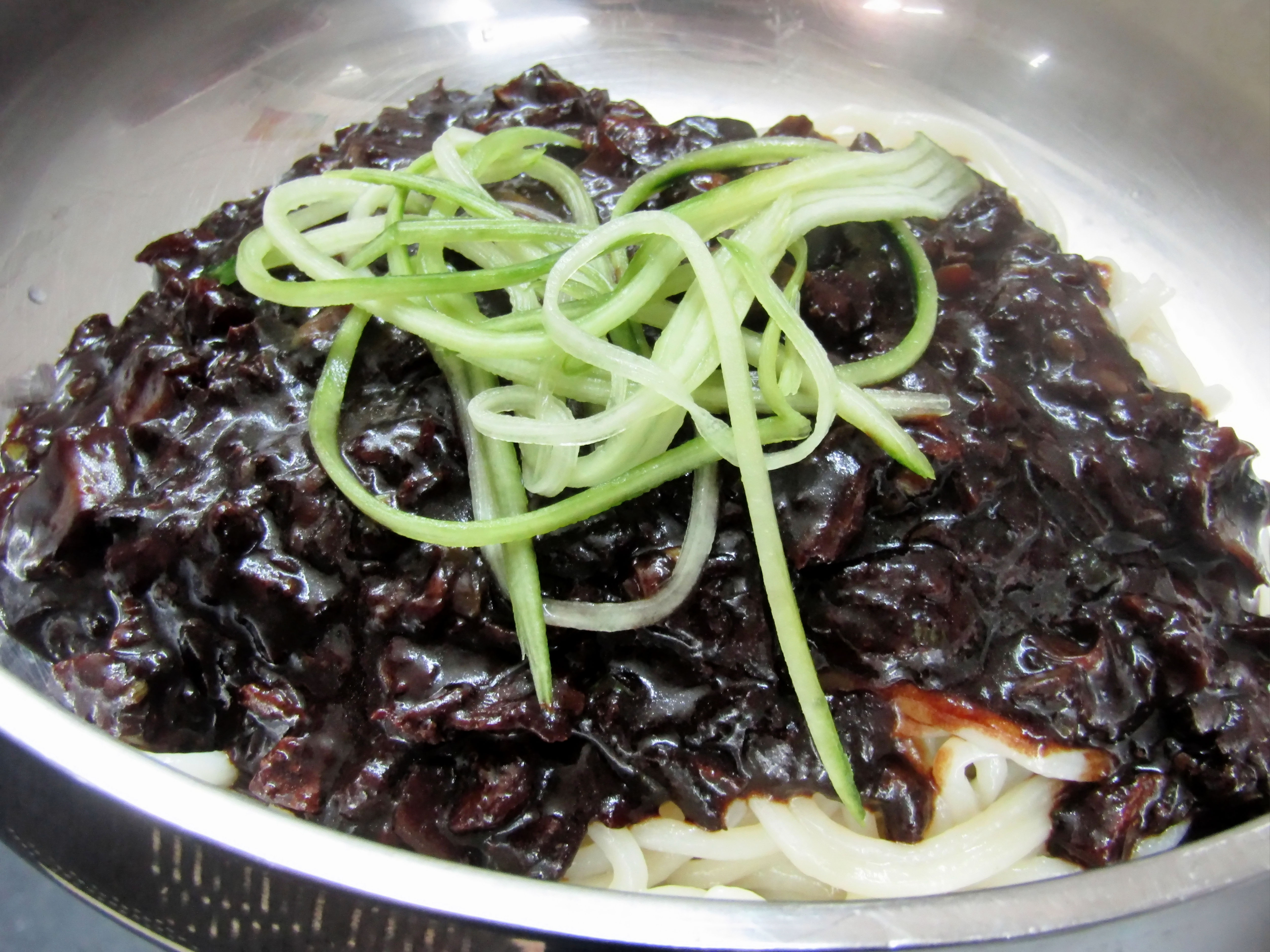
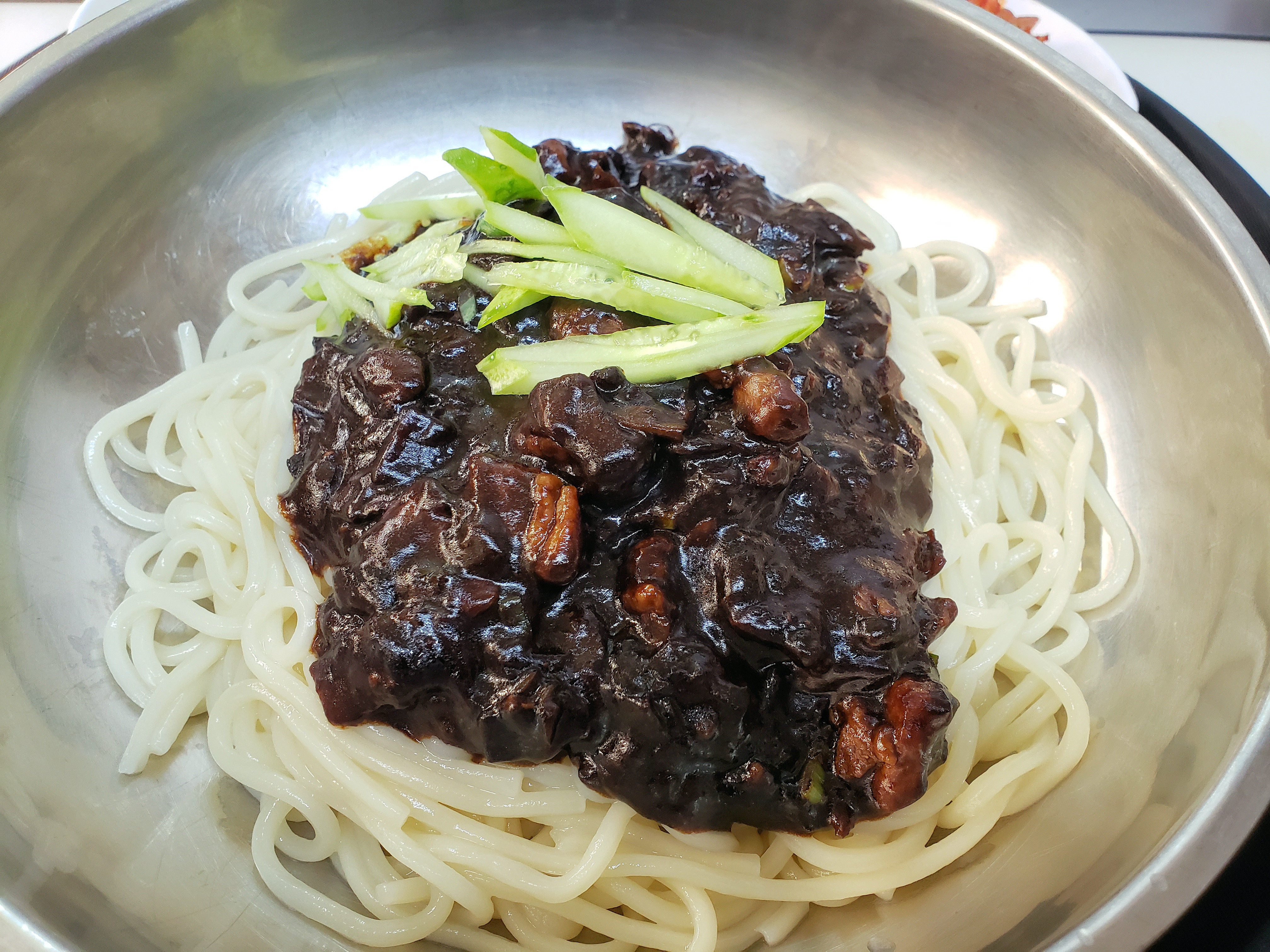
Jjajangmyeon Black Bean Noodles
자장면 | jjajangmyeon
자장면
When we first began serving jjajangmyeon in the mid‑1990s, almost no one in the U.S. recognized it. Many guests hesitated until we used the familiar, slightly tongue‑in‑cheek explanation that countless Korean restaurants relied on at the time: “It’s like a Chinese spaghetti.” It wasn’t perfect, but it opened the door.
Fast‑forward to 2023 and the landscape had completely changed. Customers came in specifically looking for jjajangmyeon—because their favorite K‑Pop idol slurped it on a livestream, or they spotted it in a Korean drama. What was once an unfamiliar dish became a cultural touchstone, carried across borders by pop culture, curiosity, and the global rise of Korean cuisine
Servings: 4
Recipe Type: Korean, Fusion, Noodle, sauced
Note: Fresh jjajang noodles usually come in packages with 4 or more "twists" of noodles. 1 "twist" is usually considered 1 serving. Dried noodles come in various sized packages, but 1 standard serving is about 1 to 2 ounces.
Ingredients
1 package fresh jjajang noodles (Udon style noodle) OR 8 ounces dried noodle
1/2 pound pork shoulder
1 small carrot
1 small zucchini
1 small potato
1 small onion
2 tablespoons of vegetable oil
water
Sauce:
1/4 cup chunjang (Korean black bean paste)
2 tablespoons of corn or potato starch
1/4 cup water
1 teaspoon sugar
1 teaspoon toasted sesame oil
Garnish
1 small cucumber
Directions
Prepare by dicing the pork, carrot, zucchini, potato, and onion into roughly 1/2 inch cubes.
Mix the Potato starch and sugar with 1/4 cup water and set aside.
Heat a lightly oiled stir fry pan over medium high and add the pork. Stir fry until lightly browned,
Add the potato and carrot and stir fry until lightly browned.
Add zucchini and onion, brown slightly.
Pour off any excess oil.
Push meat and vegetables to the side of the pan, add the chunjang, and fry about 2 minutes. Stir everything together, reduce heat to medium low, and add about 2 cups water. Cover and simmer for about 10 minutes.
Uncover, add the starch water and the sesame oil, and mix well.
Simmer until thickened.
Noodles
Bring a pot of water to a full boil and add the noodles.
Return to a boil and cook until noodles are done to your personal preference.
Final
Mound the noodles in serving bowls, spoon some sauce over the top, garnish with shredded cucumber, and serve it with kimchi or pickled radish.



Comment?